A regional competence
The 1978 Constitution gives hunting to the autonomous communities. Each adopts its own hunting law, issues its own licence and publishes a yearly order of seasons (orden de vedas). The state keeps the general biodiversity framework with Law 42/2007 on natural heritage and biodiversity, under the Ministry for the Ecological Transition (MITECO). Some communities recognise a shared interregional licence (licencia interautonómica).
Two examples
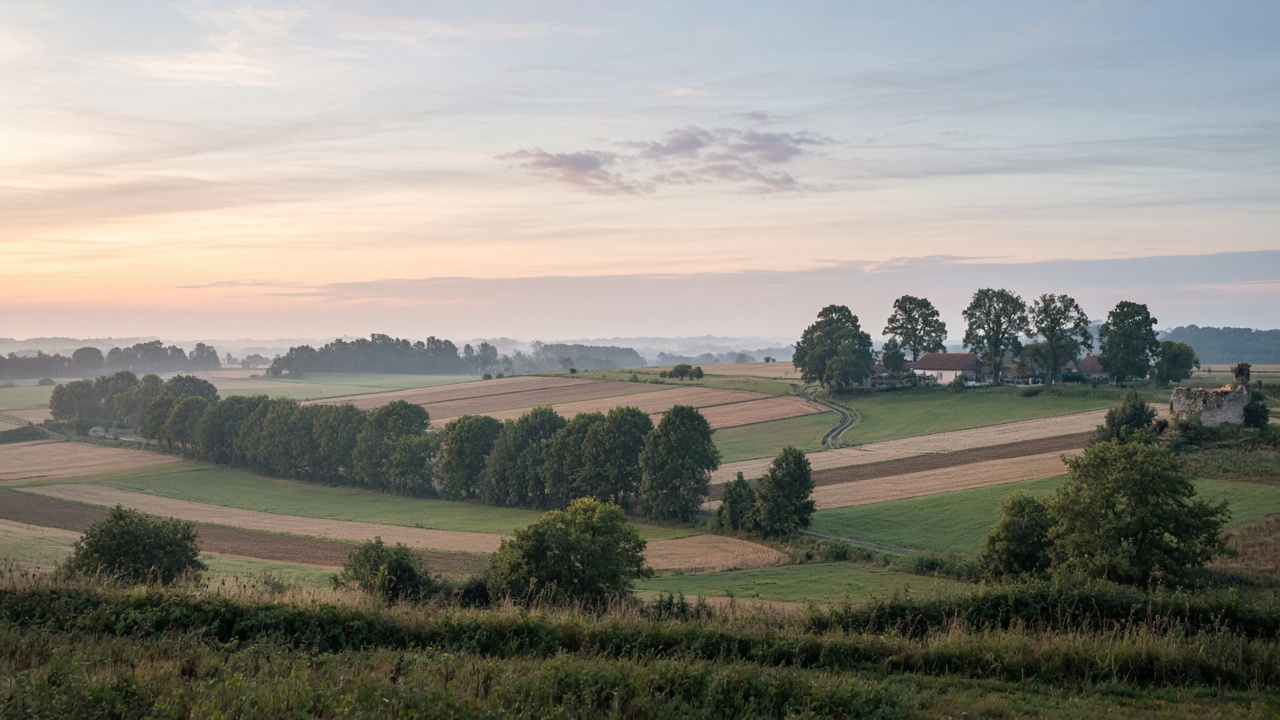
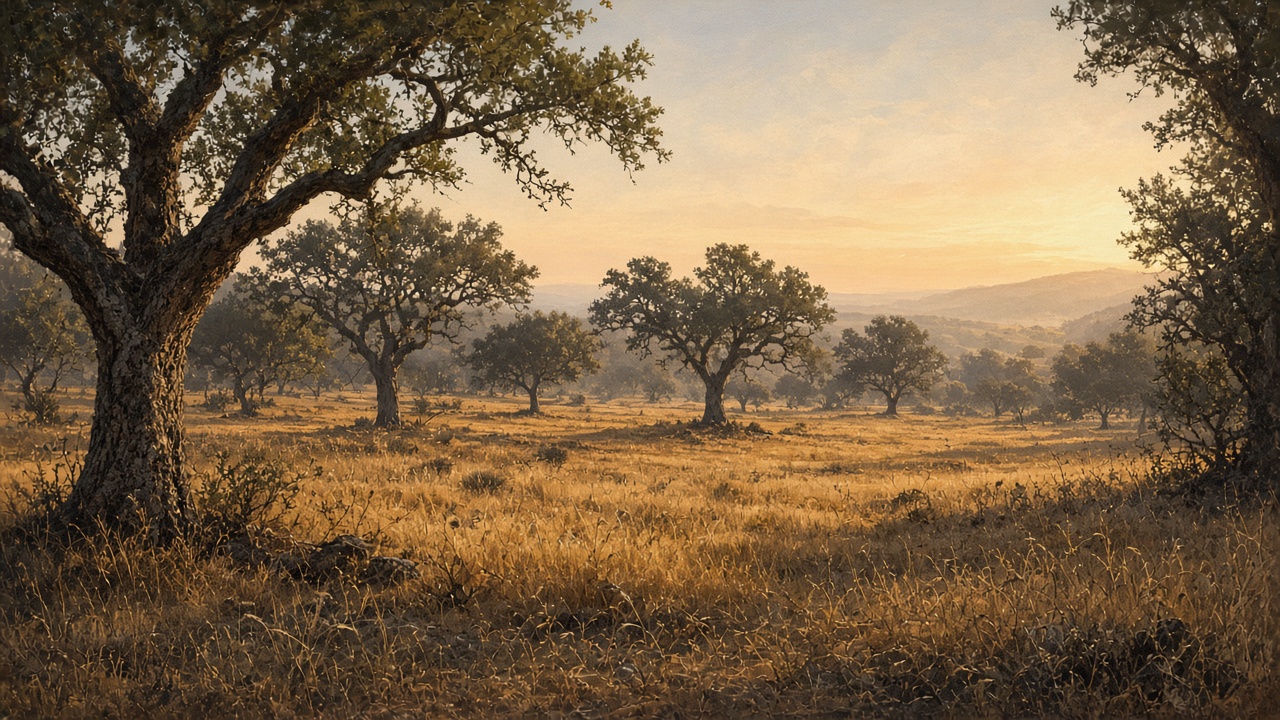
In Andalusia, the regional government manages large sierra areas (Sierra Morena, Cazorla) where montería for red deer and wild boar and stalking for ibex take place. In Castilla-La Mancha, the cereal plateaus and the dehesas of the Montes de Toledo make the region a stronghold of driven red-legged partridge and big-game hunting on private estates.
The coto
A coto de caza is a registered hunting ground, private, social (run by a hunters’ society) or public, such as regional reserves. Each coto has a technical hunting plan approved by the autonomous community, which sets species and harvests.
Licence, insurance and firearms
To hunt, you need the licence of the community where you hunt, the hunter’s third-party liability insurance, compulsory in Spain, and a firearm licence from the Guardia Civil. EU residents travel with the European Firearms Pass.
Hunting methods
- Montería: a large drive for red deer and wild boar, with packs of hounds (rehalas) pushing game towards stands spread along the ridges.
- Rececho: stalking on foot, for Iberian ibex, roe deer, chamois or mouflon.
- Ojeo: driven red-legged partridge, with beaters (ojeadores) and guns placed behind butts.
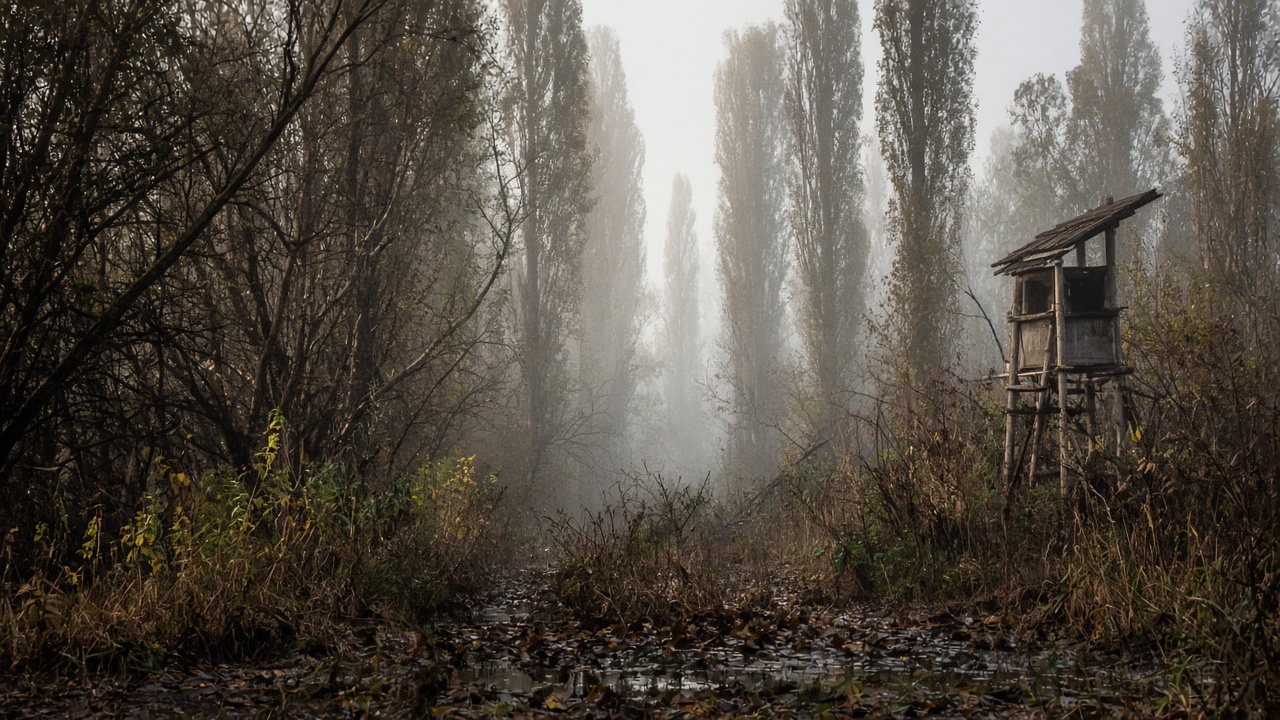
- Aguardo or espera: waiting at a stand, mostly for wild boar, often at night.
Flagship species
Red-legged partridge, rabbit, Iberian hare and quail for small game; red deer, wild boar, roe deer, fallow deer, mouflon and Iberian ibex (Capra pyrenaica) for big game. Turtle dove hunting has been suspended from 2021 because of the species’ decline.