Aunerys
Hunting Fishing · soon
FR EN ES
Techniques · 2 min read

Hunting methods in the Netherlands: management, driven hunt and local practice

Management and driven hunt: the hunting methods practised in the Netherlands, how each one works in the field and the species it targets (European hare, roe deer, mallard).

Byline: Sanne de Vries Published
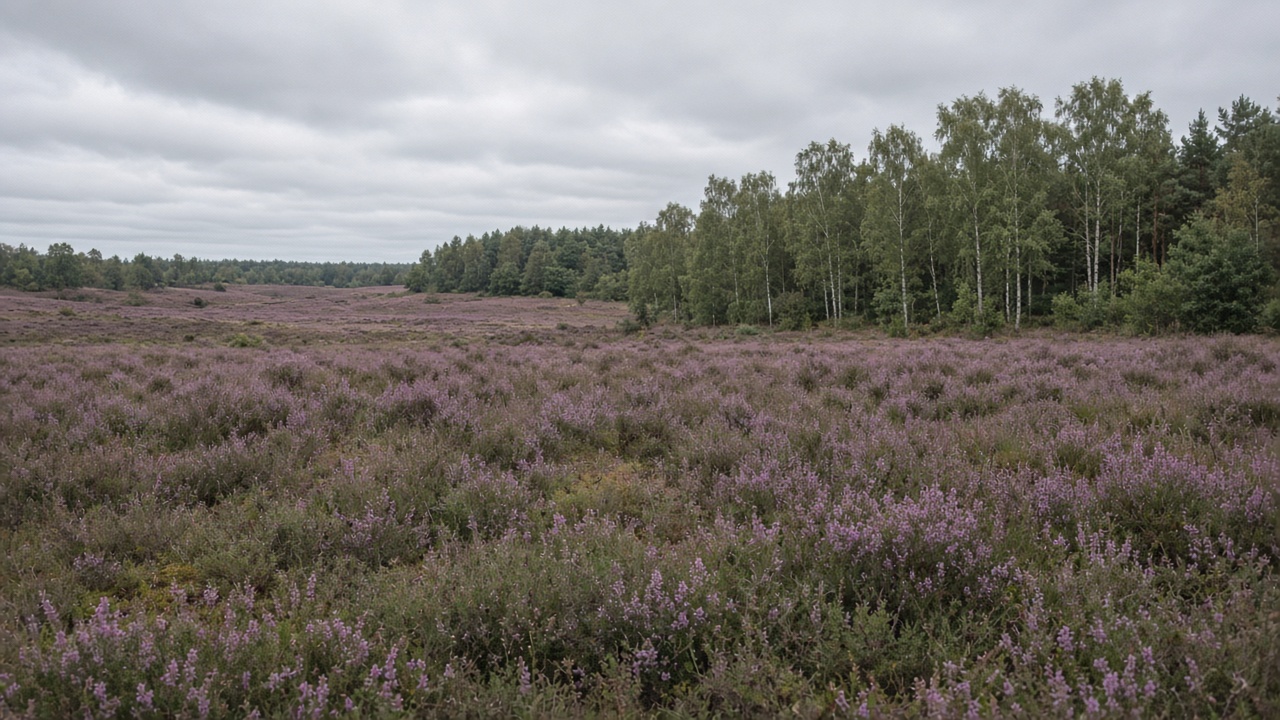
Natural landscape in the Netherlands — AI-generated illustration AI-generated illustration for Aunerys
Short answer

The main hunting methods are management and damage control (beheer en schadebestrijding), driven hunt (drijfjacht). Key species include European hare (Lepus europaeus), roe deer (Capreolus capreolus), mallard (Anas platyrhynchos). Facts compiled on 4 November 2026.

Written by Sanne de Vries Facts compiled on 4 November 2026 Updated
Country fact sheet
Reference authority Provincies en Faunabeheereenheden (provinces and fauna management units)
Framework law Omgevingswet (Environment and Planning Act, in force since 2024)
Decision level national, with provincial fauna management plans
Licence Dutch hunters pass the hunting exam, then obtain an annual hunting licence (jachtakte) from the police.
Facts compiled on 4 November 2026

Introduction

Hunting in the Netherlands follows well-identified methods, including management and driven hunt. The choice depends on the landscape (polders, coastal dunes and Veluwe heathland) and on the species hunted: European hare, roe deer, mallard.

How hunting is practised

management and damage control — beheer en schadebestrijding

Much hunting activity is management: culling ungulates and geese under provincial plans and preventing crop damage. These actions require specific authorisations.

driven hunt — drijfjacht

Wild boar drives are limited to areas where the species is tolerated, such as the Veluwe; elsewhere the policy aims for its absence. They are organised under provincial plans.

Key species

Conservation issues

The Netherlands hosts hundreds of thousands of wintering geese, whose crop damage management is a national issue. The wolf has returned naturally since 2015 and settled in several provinces.

Becoming a hunter

Dutch hunters pass the hunting exam, then obtain an annual hunting licence (jachtakte) from the police. They must have a contiguous hunting ground of at least 40 hectares, leased or owned.
Frequently asked questions

Can a foreign hunter hunt in the Netherlands?

A foreign hunter can obtain a guest licence if invited by a Dutch ground holder. Opportunities remain limited.

Do you need a licence to hunt in the Netherlands?

Dutch hunters pass the hunting exam, then obtain an annual hunting licence (jachtakte) from the police. They must have a contiguous hunting ground of at least 40 hectares, leased or owned.
Destination Netherlands — hunting and nature →

Conclusion

Management and driven hunt are not improvised in the Netherlands: permitted methods, safety rules and open species are set by Provincies en Faunabeheereenheden (provinces and fauna management units) and by whoever holds the hunting rights.
Sources : BIJ12 — Faunazaken; Overheid.nl — Omgevingswet
The author Sanne de Vries Articles on coexistence, wetlands and public debate in the Netherlands. Editorial byline of the Aunerys desk. It does not attest to a verified local expertise. View profile →

Read next

Boreal pine forest under northern light, Sweden — AI-generated illustration AI-generated illustration for Aunerys
Field guide · 2 min

Moose hunting in Sweden: teams, dogs and stalking

Natural landscape in Switzerland — AI-generated illustration AI-generated illustration for Aunerys
Field guide · 6 min

Hunting methods in Switzerland: licence hunting, leased grounds and local practice

Natural landscape in Australia — AI-generated illustration AI-generated illustration for Aunerys
Field guide · 2 min

Hunting methods in Australia: stalking, hounds and local practice