A small deer with an unusual biology
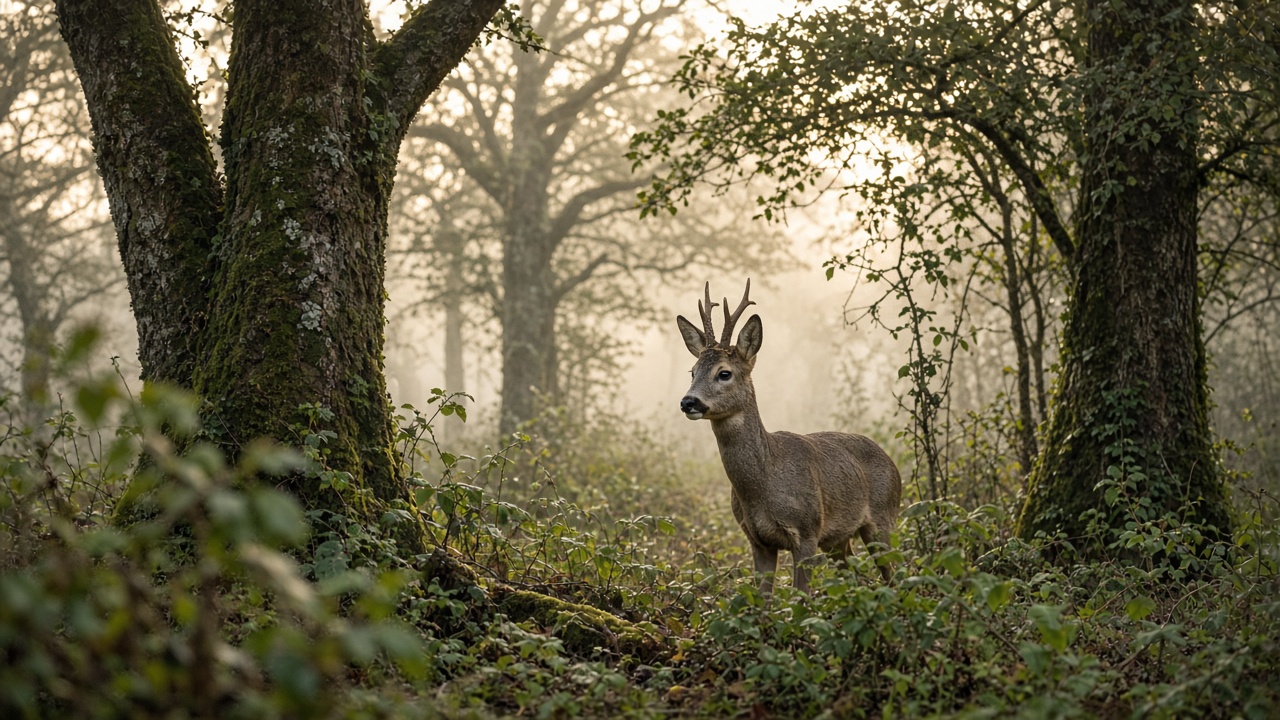
An adult roe deer usually weighs 20 to 25 kg and stands 60 to 75 cm at the shoulder. The male is called a buck (brocard in French), the female a doe (chevrette) and the young a kid (chevrillard). Only bucks carry antlers, short and usually with three points per side in adults.
Their cycle differs from that of red deer. The rut takes place in high summer, from mid-July to mid-August. The fertilised egg then remains dormant and only implants at the end of the year: this is delayed implantation. Births, often twins, occur in May and June. Bucks cast their antlers in late autumn, regrow them in velvet over winter and clean them in spring.
Cull plans and tags
In France, roe deer are subject to a cull plan: the prefect allocates each hunting ground a number of animals to take, after consulting the departmental hunting and wildlife commission. Every animal killed must carry, before any transport, the tag (bracelet) issued for that ground.
Methods and calendar
The Environment Code allows the prefect to authorise, from 1 June, stalking or high-seat shooting of roe deer before the general opening. This “summer shooting” mainly targets bucks, which are territorial at that time. In autumn and winter, roe deer are also hunted in drives or with hounds. Exact dates and conditions are set in each department’s annual prefectoral order.
| Method | Typical period | Where to check |
|---|---|---|
| Stalking and high seats (summer shooting) | From 1 June, with prefectoral authorisation | Prefectoral order and the ground’s cull plan |
| Drives, hounds | From general opening to closing in late winter | Departmental opening and closing order |
Reading field signs
Fraying — bark stripped from saplings when bucks clean their antlers and mark territory — and scrapes on the ground in front of them show a resident buck. Small heaps of black pellets, trails and browsed shoot tips complete the picture. Woodland edges, hedges and regenerating plots concentrate these signs.
An example: Sologne
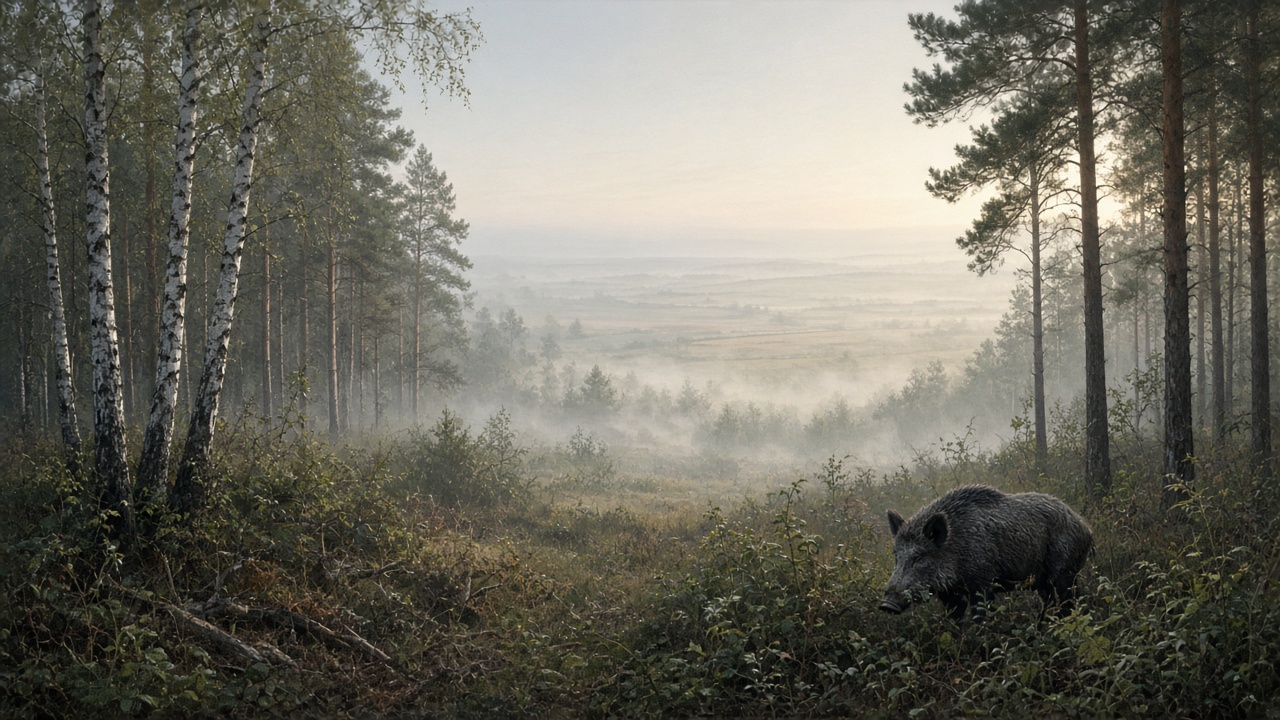
In Sologne, a mosaic of forests, ponds and heath, roe deer share large private estates with red deer and wild boar. The law of 2 February 2023 limiting the fencing of natural areas has a direct effect there, as many properties were fenced.
Tracking and venison
Any animal shot that does not fall on the spot must be followed up. Approved tracking-dog handlers, many of them members of UNUCR, respond on request. This page does not set out their terms of intervention: those are checked with UNUCR. For venison intended to be passed on, an initial carcass inspection by a trained person is required.