The framework
The Hunting Act (jaktlag 1987:259) and the Hunting Ordinance set the principles and seasons. The Swedish Environmental Protection Agency (Naturvårdsverket) sets national rules. Since 2012, moose have been managed by management areas (älgförvaltningsområden): the county administrative board (länsstyrelsen) registers hunting grounds and approves the multi-year plans of moose management units (älgskötselområden), which allocate harvests by sex and age.
Team hunting
The dominant form is team hunting (jaktlag), with stands (pass) spread along crossing lines and one or more dogs. The hunt leader (jaktledare) assigns stands, recalls shooting sectors and organises radio communication. Every participant knows where their neighbours are before the drive begins.
The bay dog
Moose dogs such as the Jämthund or Norwegian elkhound (gråhund) follow the animal without pushing it far and hold it in place by barking (ståndskall). The nearest hunter then approaches upwind to a safe shooting distance, guided by the barking and often by a GPS collar.
Individual stalking
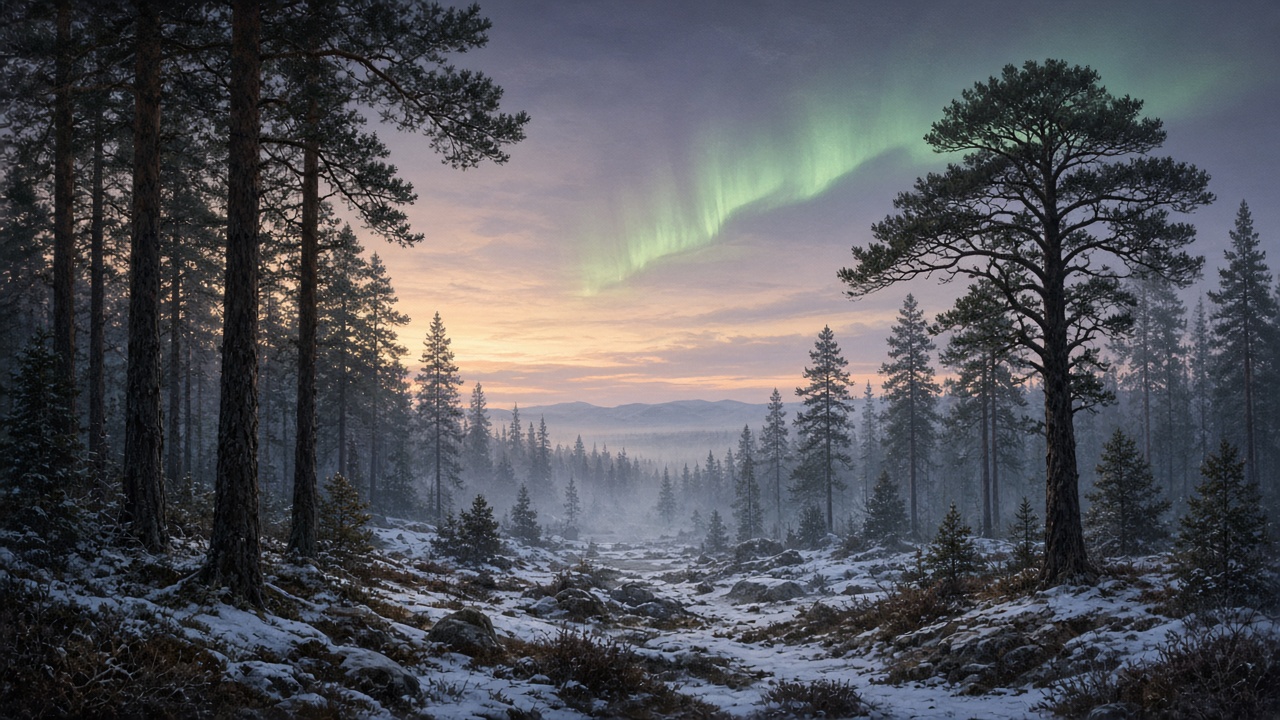
Stalking (smygjakt) is done alone or in pairs at first light, in clear-cuts and bogs. It requires careful reading of signs — beds in the snow, browsing on pine and willow, droppings — and of the wind. Days shorten fast in the boreal autumn, leaving little time for a follow-up after the shot.
Exam, firearms and tracking
Swedish hunters pass the hunting exam (jägarexamen), which includes a theory part and practical shooting tests, then pay the state hunting fee every year. Moose hunters must have access to a qualified tracking dog to follow a wounded animal. The Swedish Association for Hunting and Wildlife Management (Svenska Jägareförbundet) trains teams and handlers.