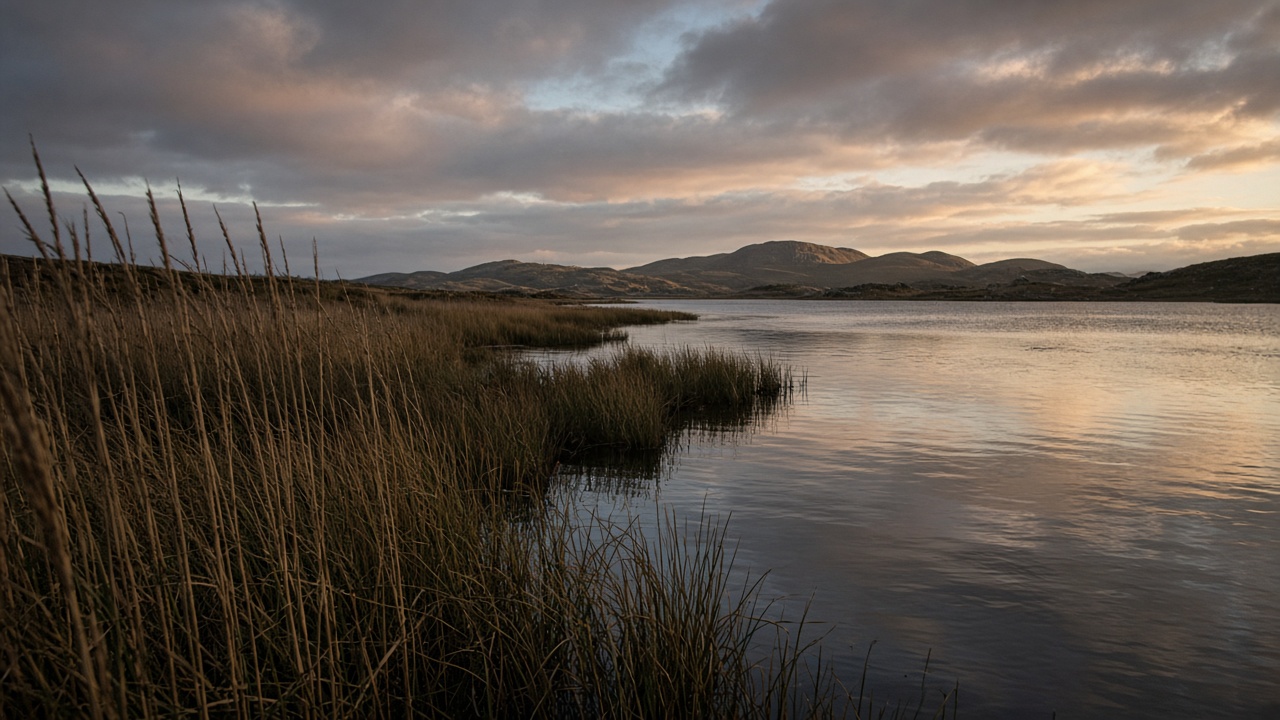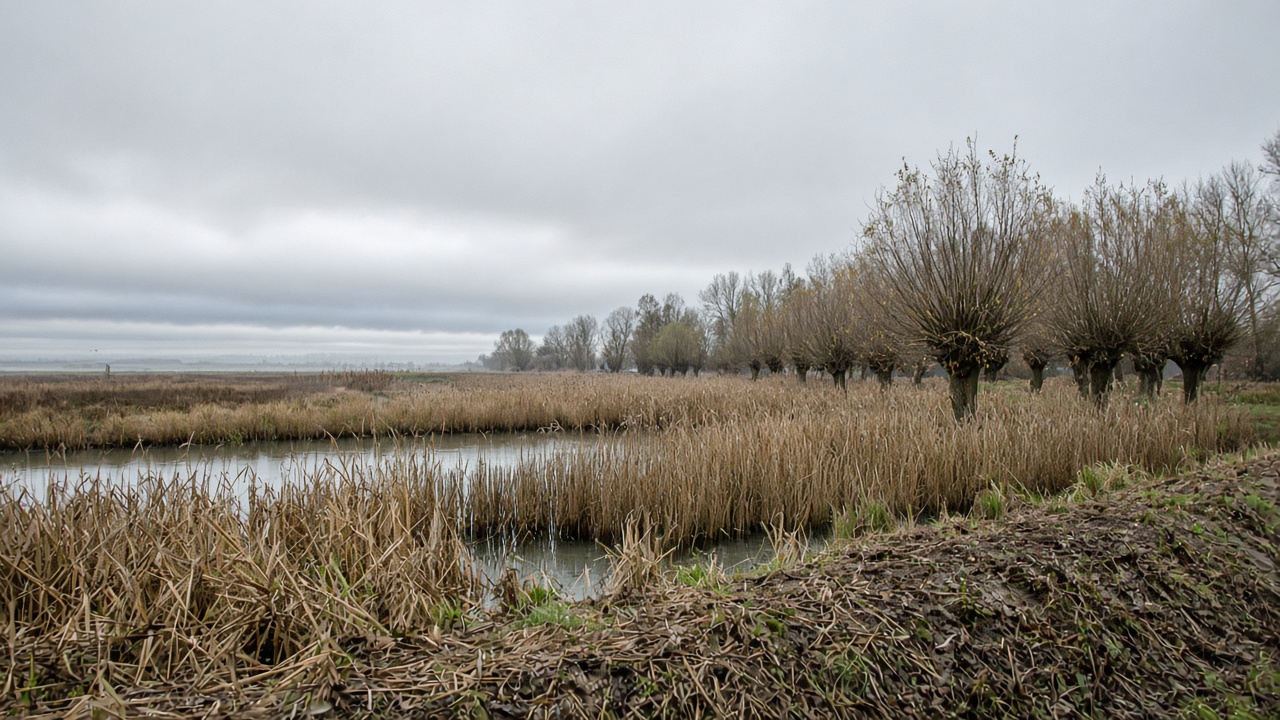
Landscapes, damage and land use
The Oostvaardersplassen experiment, a reserve with unregulated large herbivores, sparked national debate after heavy winter mortality. Human density demands close coexistence between wildlife and activities.
Wildlife health
Avian influenza regularly affects wild birds and Dutch farms. Hunters must report dead birds and follow biosecurity measures.
Who decides what
Only a few species remain huntable for leisure (hare, pheasant, mallard, rabbit, wood pigeon). Management of ungulates and damage-causing species follows plans approved by the province and carried out by fauna management units (Faunabeheereenheden).
African swine fever: status and reporting duties
According to the Dutch government page (rijksoverheid.nl, published 20 January 2026 and amended 20 February 2026), no pig or wild boar was infected in the Netherlands at that date, while the disease is present in Germany, Spain, Italy, Poland and several Eastern European countries. There is no vaccine. The risk of introduction through wild boar is considered low because infected areas are far away; the virus can instead arrive through contaminated pigs or pork products, and it survives in dried or frozen meat.
Pig keepers, veterinarians and laboratories must report any symptoms to the Landelijk meldpunt dierziekten (045 546 31 88). Anyone can report a dead wild boar to the province. If an outbreak occurs, EU rules apply immediately: the food authority NVWA can search for and dispose of dead boar, a strictly controlled zone is set up and the transport of pigs and pork products is banned. Before any hunting trip, check the current status with the NVWA.
The action plan of 19 November 2025
On 19 November 2025 the Dutch cabinet presented a control plan (rijksoverheid.nl). It aims to reduce the risk from pork products left in nature, raise hunters’ awareness, assess surveillance, fencing and preventive shooting, and prepare infection zones and the installation of fences. Implementation is in principle planned until 2028, and accelerated if an outbreak occurs earlier. The provinces involved in wild boar monitoring are Limburg, North Brabant, Gelderland and Overijssel.
Wild boar on the Veluwe: a worked example
The Veluwe (Gelderland) is the country’s main wild boar area. In October 2021, NL Times (article of 9 October 2021) reported nearly 5,000 wild boar shot in three months out of a population of about 10,000, around 1,350 of which were to be spared, with the season open until 1 February. These are 2021 figures, given as an order of magnitude rather than a current tally; forest rangers count the remaining animals during the hunt.
Practical framework: firearms permit and wildbeheereenheid
To hunt with a firearm, the Dutch government (Jachtakte page) lists a hunting diploma (jachtdiploma), an omgevingsvergunning jachtgeweeractiviteit issued by the police, a gun safe and a firearms licence, plus membership of a wildbeheereenheid (local wildlife management unit). The firearm permit is valid for one year at most, until 1 April. At the end of 2020 the Jagersvereniging (2020 annual report) had 27,080 members and 276 affiliated wildbeheereenheden, more than 98% of them.