Aunerys
Hunting Fishing · soon
FR EN ES
Biodiversity · 3 min read

Hunting and biodiversity in Namibia: conservation issues

Protected species, major conservation issues and population monitoring: what hunting in Namibia has to take into account, and who follows it.

Byline: Pieter van Wyk Published Updated
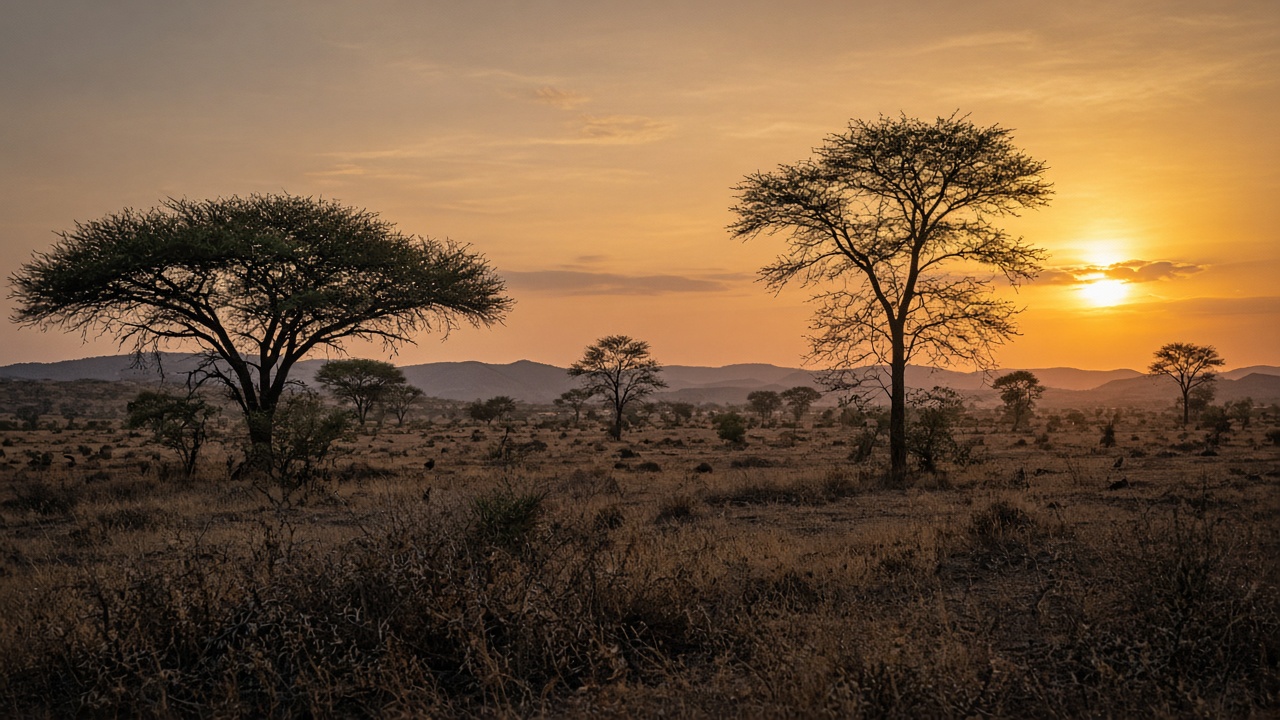
Natural landscape in Namibia — AI-generated illustration AI-generated illustration for Aunerys
Short answer

Namibia holds the world’s largest cheetah population and a growing black rhino population. Key species include greater kudu (Tragelaphus strepsiceros), gemsbok (Oryx gazella), springbok (Antidorcas marsupialis). Facts compiled on 4 November 2026.

Written by Pieter van Wyk Facts compiled on 4 November 2026 Updated
Country fact sheet
Reference authority Ministry of Environment, Forestry and Tourism (MEFT)
Framework law Nature Conservation Ordinance 4 of 1975; Nature Conservation Amendment Act 5 of 1996 (conservancies)
Decision level national
Licence Trophy hunting by foreigners must take place with a professional hunter registered with MEFT.
Facts compiled on 4 November 2026

Introduction

Hunting in Namibia takes place alongside protected species and sensitive habitats. This article sets out the conservation issues that frame the practice and the bodies that monitor them.

Conservation issues

According to NACSO (2021 data), Namibia holds the largest free-roaming black rhino population in the world. Trophy hunting of large species such as elephant is the subject of international debate.

Key species

Landscapes, damage and land use

Repeated droughts reduce grazing and water for game and livestock. In 2024 the government authorised the culling of several hundred wild animals to feed people during the drought.

A community-based model for managing game

Namibia has handed part of its wildlife management to local residents. The Nature Conservation Amendment Act No. 5 of 1996, signed on 4 June 1996, inserted section 24A into the 1975 Ordinance: a community living on communal land may ask the Minister to declare its area a conservancy. The conservancy committee then holds the consumptive and non-consumptive use rights over game on behalf of the community, provided its constitution sets out sustainable management and an equitable sharing of benefits.

What the model amounted to in 2021

According to 2021 data from the Namibian Association of CBNRM Support Organisations (NACSO), 86 registered conservancies cover 166,179 km², or 20.2% of the country, and directly involve about 238,700 people. They generated N$91.7 million in cash income and in-kind benefits, of which N$53.8 million came from tourism and N$26.0 million from conservation hunting. Residents also received 326,295 kg of game meat worth N$9.3 million, and 748 game guards are employed. Returns had passed N$150 million in 2019 before dropping with the travel restrictions of 2020–2021.

Elephants and plains game: what the counts say

The 2022 KAZA aerial survey puts the elephant population of the Namibian part of the transfrontier area at 21,090 animals (± 3,888), against 20,007 in 2019 and 19,549 in 2015; carcasses make up 3.57% of animals counted. For oryx, springbok and mountain zebra, NACSO reports a rise of more than tenfold between 1982 and the early 2000s, then a plateau; since 2012 survey counts have fallen because of drought, animals moving outside survey areas and suspected poaching.

Sources: NACSO, registered conservancies; Community Conservation Namibia, facts and figures 2021; FAOLEX, Act No. 5 of 1996; MEFT, legislation; Conservation Namibia, elephants 2023.
Frequently asked questions

Which wildlife health issues matter in Namibia?

A veterinary cordon fence (the Red Line) separates the north, where foot-and-mouth disease occurs, from meat-export areas.

Destination Namibia — hunting and nature →

Conclusion

Monitoring populations and the status of protected species is part of hunting in Namibia. Reference data are published by Ministry of Environment, Forestry and Tourism (MEFT) and the conservation bodies cited above.
Sources : MEFT — ministère de l’Environnement, des Forêts et du Tourisme; NACSO — association namibienne d’appui à la gestion communautaire
The author Pieter van Wyk Articles on arid habitats, savannas and local practice in Namibia. Editorial byline of the Aunerys desk. It does not attest to a verified local expertise. View profile →

Read next

German beech forest in autumn, soft light — AI-generated illustration AI-generated illustration for Aunerys
Ethics · 3 min

Wild boar and biodiversity in Germany: reading the stakes

Natural landscape in Czechia — AI-generated illustration AI-generated illustration for Aunerys
Ethics · 5 min

Hunting and biodiversity in Czechia: conservation issues

Natural landscape in Iceland — AI-generated illustration AI-generated illustration for Aunerys
Ethics · 4 min

Hunting and biodiversity in Iceland: conservation issues