Species profiles
Chamois (Rupicapra rupicapra)
Chamois is the most hunted mountain game in Switzerland. Alpine cantons regulate harvests by sex and age class.
Red deer (Cervus elaphus)
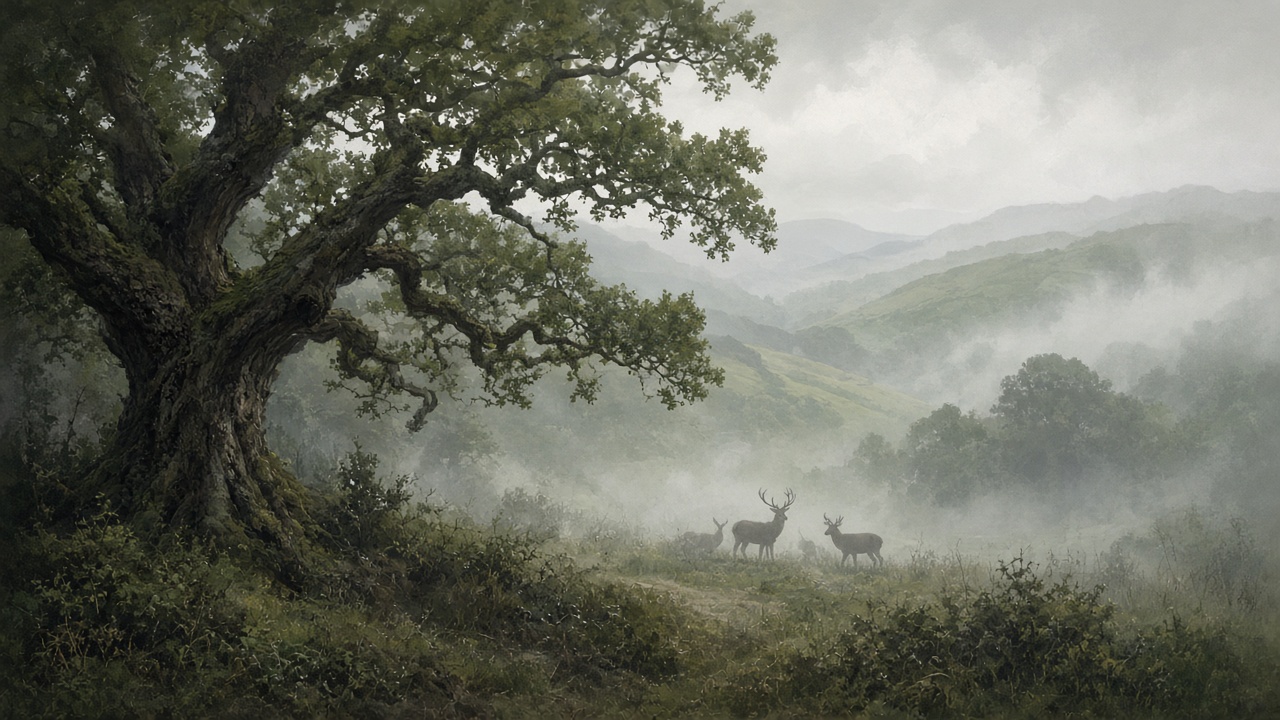
Red deer, nearly extinct in the 19th century, recolonised the country from Austria. Graubünden’s September licence hunt is the best-known example.
Roe deer (Capreolus capreolus)
Roe deer occur from the Plateau to mountain forests. They make up most of the harvest in leased-hunting cantons.
Hunting landscapes
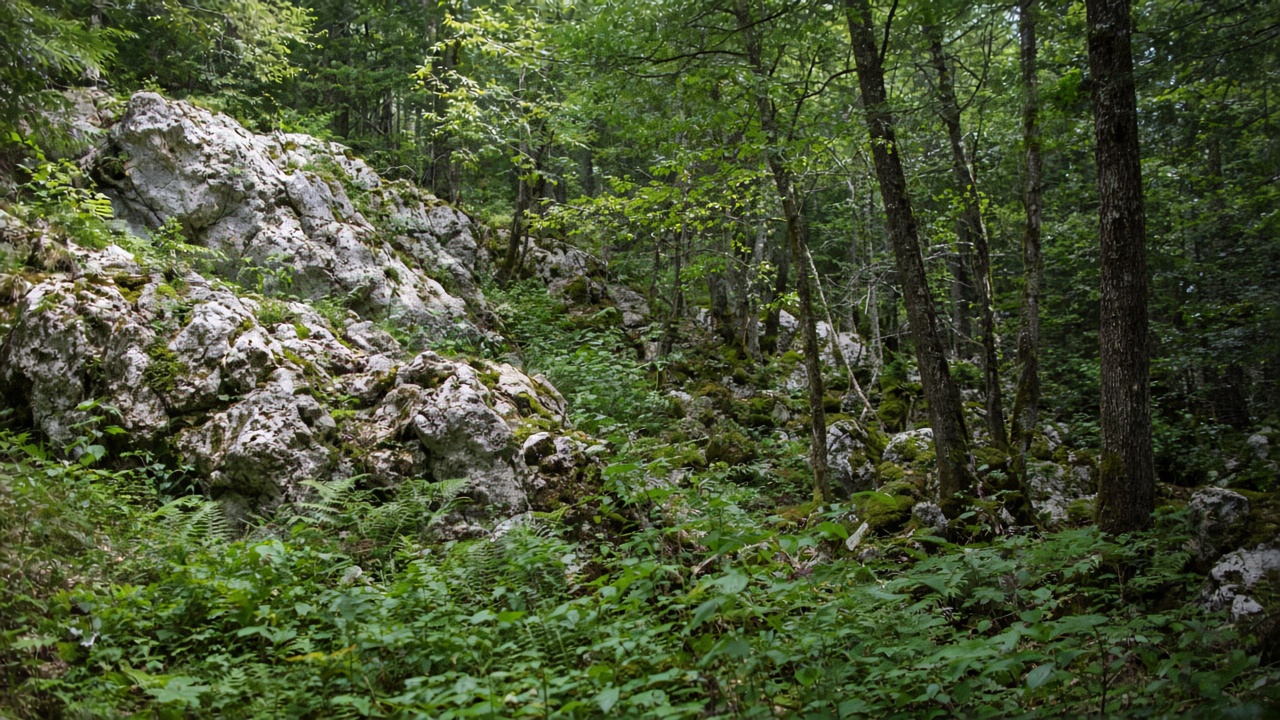
Switzerland has three main regions: the Alps, the farmed and built-up Plateau, and the wooded Jura range. The relief makes hunting very different from one canton to another.
Population sizes in 2025: three species, three orders of magnitude
According to the federal hunting statistics as presented by the Swiss Federal Research Institute WSL (Waldwissen.net, status 2025), Switzerland has about 135,000 roe deer, about 90,000 chamois and just under 40,000 red deer. The statistics are fed every year by cantonal returns, cover 34 mammal species and more than 50 bird species, and run back to 1933 for the ungulates. These numbers are estimates that differ from canton to canton: they give a sense of scale, not a basis for a cull plan.
How many animals are shot
The news agency ATS (11 September 2024), reporting the federal statistics compiled by Wildtier Schweiz for the FOEN, put the 2023 harvest at about 76,000 wild ungulates and nearly 22,000 predators (foxes, badgers, martens), close to 98,000 animals in all. The article gives no breakdown by ungulate species; it only notes stable numbers for roe deer and chamois and rising trends for red deer and ibex. In the canton of St Gallen, the 2025 statistics, published on 18 May 2026, show one of the highest red deer harvests since records began, high and stable harvests of roe deer, chamois and ibex, and a sharp rise in wild boar, whose numbers swing widely from one year to the next.
Chamois and ibex: the examples of Graubünden and Valais
In Graubünden, the cantonal hunting and fishing office (AJF) counted 2,904 chamois shot in the 2024 high hunt, slightly fewer than the year before, and an ibex population of 7,288 against 7,245 in 2023. The cull of female ibex aimed at 94 animals and 88 were shot; 269 of the 294 hunters involved (91.5%) filled their quota. In Valais, the 2025 cantonal fact sheet puts the ibex population at 6,993 animals in spring: of a cull plan of 624, 445 animals were taken (7% of the population) and 291 were found dead. The canton sets this plan every year and the FOEN approves it. The explanatory report of the federal department UVEK of 13 December 2024 on the revision of the hunting ordinance states that ibex culls must include at least half females and that permits may run for up to four years.
Wolves and mountain birds
The wolf is not ordinary game, but it weighs on ungulate management. The FOEN counts 30 packs located wholly in Switzerland and 10 cross-border packs on 1 February 2026, at the end of the 2025/26 regulation period. The 2024 report cited about 35 packs and more than 300 wolves, against 14 packs and about 150 wolves in October 2021, and sets proactive regulation from 1 September to 31 January. Among birds, 291 black grouse were shot in 2025, mostly in Ticino, Graubünden and Valais; the grey partridge, shot at 2,000–3,500 birds a year in the 1960s, has had a moratorium since 1988. St Gallen lists mountain grouse among species under growing threat.
| Roe deer, population | about 135,000 (2025, WSL / federal hunting statistics) |
|---|---|
| Chamois, population | about 90,000 (2025, WSL) |
| Red deer, population | just under 40,000 (2025, WSL) |
| Ungulates shot | about 76,000 (2023, ATS citing the FOEN) |
| Predators shot | nearly 22,000 (2023, ATS citing the FOEN) |
| Chamois shot, Graubünden | 2,904 (2024 high hunt, AJF) |
| Ibex, population | 7,288 in Graubünden (2024); 6,993 in Valais (spring 2025) |
| Ibex shot, Valais | 445 against a plan of 624 (2025) |
| Wolf | 30 Swiss and 10 cross-border packs (1 February 2026, FOEN) |
| Black grouse shot | 291 (2025, WSL) |
Sources consulted: WSL, federal hunting statistics; ATS / Radio Lac, 11 September 2024; AJF Graubünden, 2024 hunts; Canton of Valais, ibex 2025; FOEN, wolf; UVEK, explanatory report of 13 December 2024; Canton of St Gallen, 2025 statistics.