Species profiles
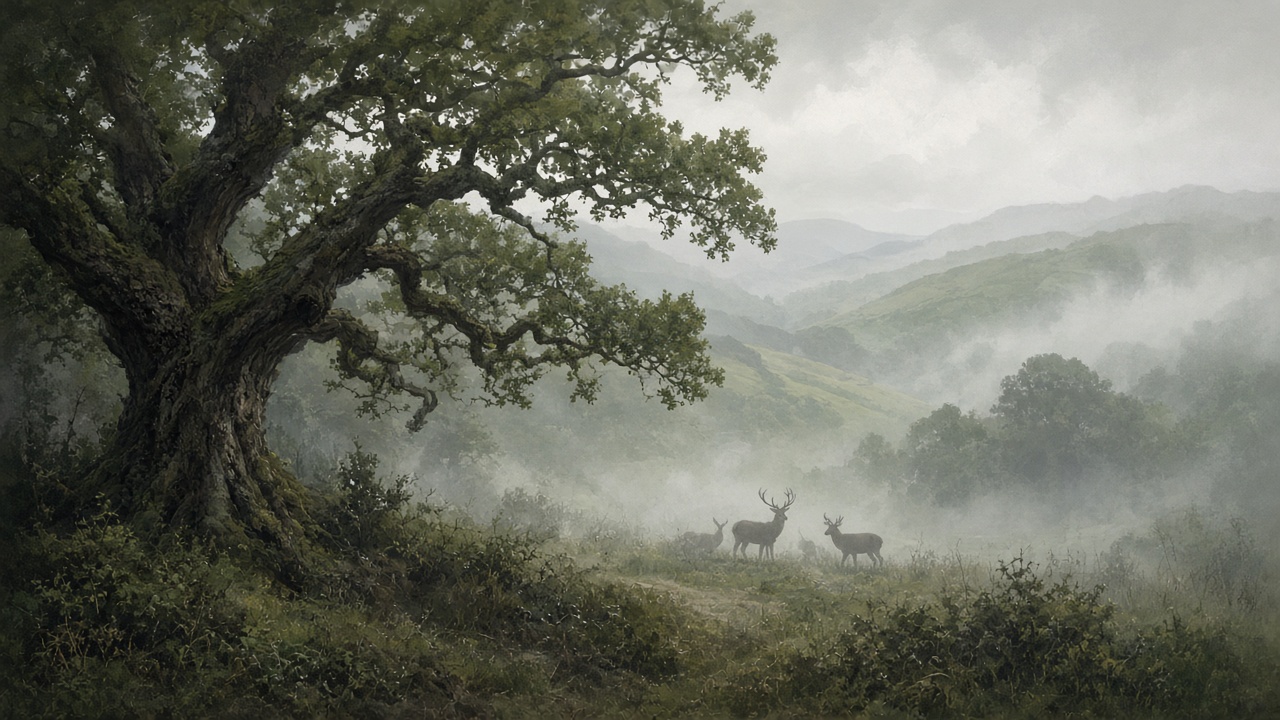
Red deer (Cervus elaphus)
Red deer from the floodplain forests of Slavonia and Baranja are renowned for their trophies. Hunting centres on the rut, by stalking or from high seats.
Chamois (Rupicapra rupicapra)
Chamois live on the Dinaric ranges, notably Velebit and Biokovo. They are stalked in demanding karst terrain.
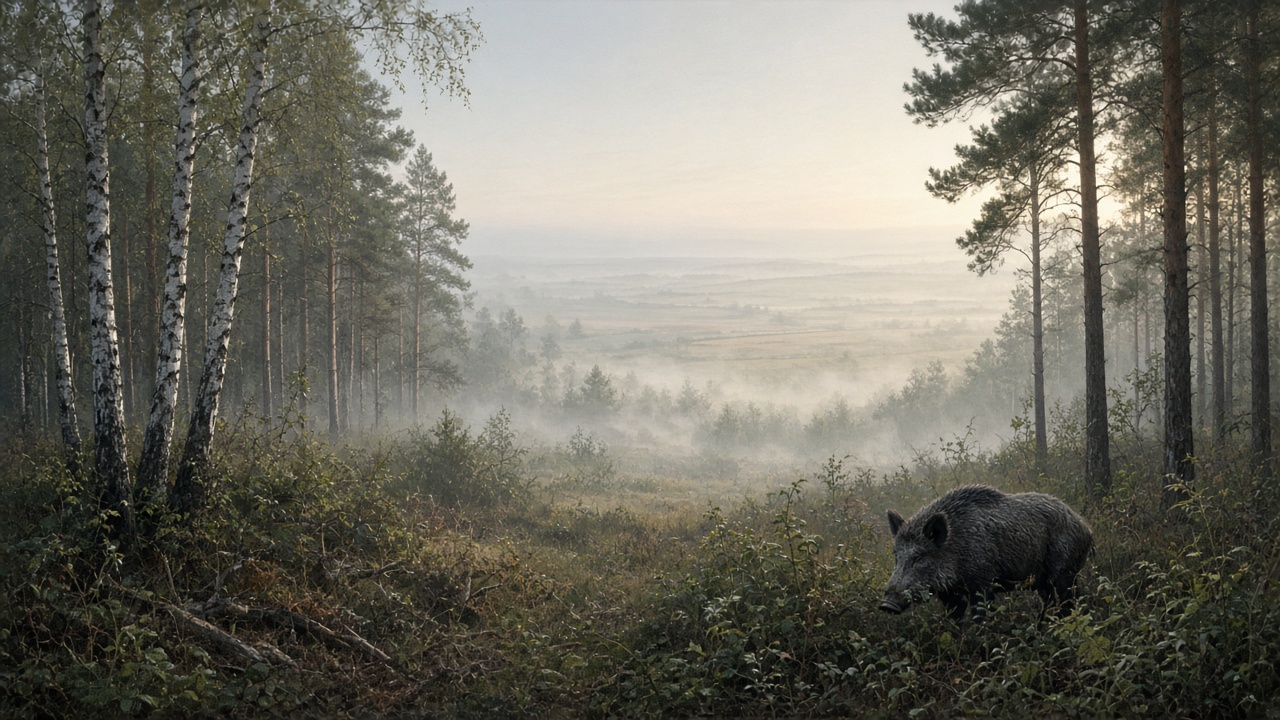
Wild boar (Sus scrofa)
Wild boar occur nationwide, including the coast and some islands. Hunting has been subject to sanitary measures since African swine fever arrived in 2023.
Hunting landscapes
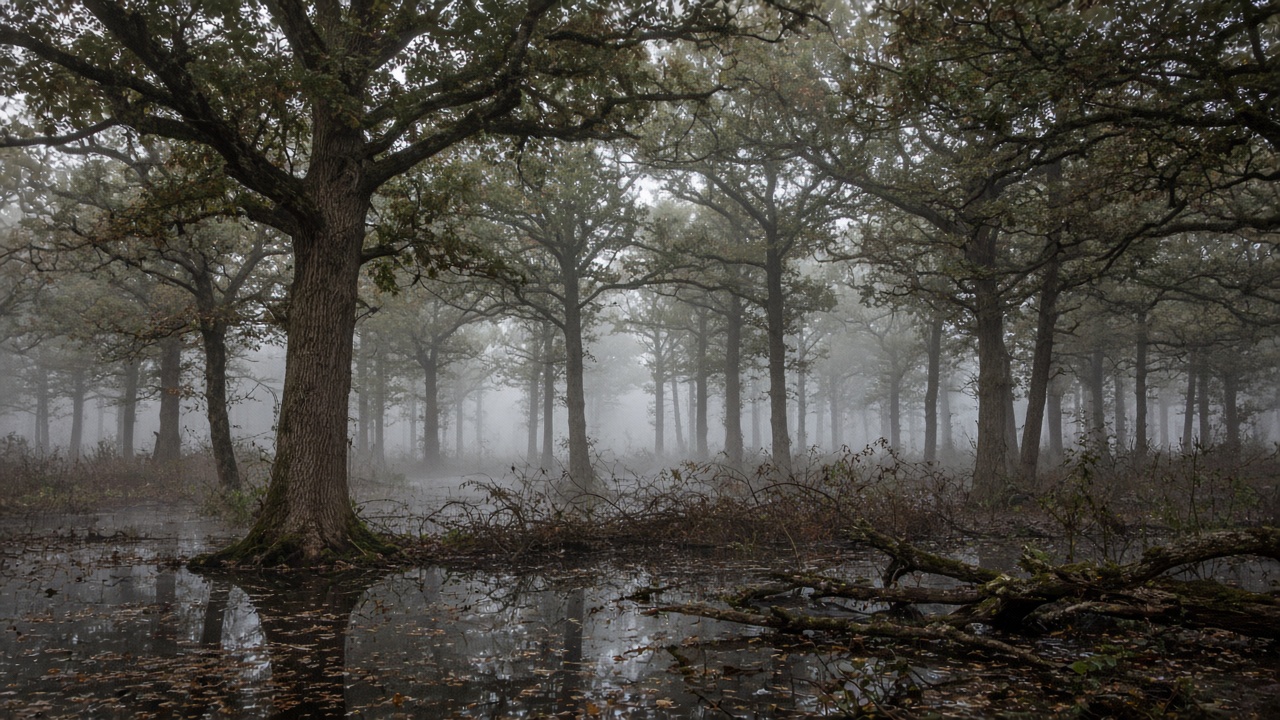
Croatia ranges from the large floodplain oak forests of Slavonia, along the Sava and Danube, to the Dinaric mountains of Gorski kotar and Lika, then to the karst coast and islands. Hunting grounds (lovišta) are state or common grounds.
Game bag 2024
The Croatian Bureau of Statistics (DZS) publishes the bag for the hunting year from 1 April 2024 to 31 March 2025. Wild boar leads with 45,397 animals, against 50,030 the year before (−9.3%). Roe deer account for 17,202 (−2.5%) and deer of all types for 6,896 (+3.2%). For small game, about 28,000 hares (unchanged), 64,000 pheasants (+3.2%), 62,000 waterfowl (+6.9%) and 64,000 other birds (−4.5%). The number of hunters fell from 68,292 to 60,244 (−11.8%) (DZS, October 2025).
Wild boar under an emergency regime
An order of 9 July 2025 aims to combat and prevent the occurrence and spread of African swine fever. It allows night shooting of wild boar and fox with electronically magnifying optical sights outside protected areas, and the shooting of domestic pigs found outside a registered pig facility after a veterinary inspector’s report (FAOLEX, via InforMEA). The current health situation should be checked with the Croatian veterinary authority.
Grounds where this game is hunted
Under the 2018 Hunting Act, an open hunting ground may not be smaller than 1,000 ha (art. 12), with an exception for islands over 500 ha; a game-breeding facility needs at least 100 ha (text of the Act).