- Family
- Wetland shooting
- Difficulty
- Moderate: the position is fixed, but you must find the flightline beforehand and shoot quickly at flying birds in changing light
- Organisation
- Alone or a few guns spaced along the same flightline
- Key gear
- Binoculars for scouting, dark clothing, cartridges suited to the ground, a retriever
- Season
- Varies by species, country and region; permitted flight times are set by the rules
- Who it suits
- Shooters who like to watch before they hunt and enjoy shooting birds on the wing
What is the idea behind flight shooting?
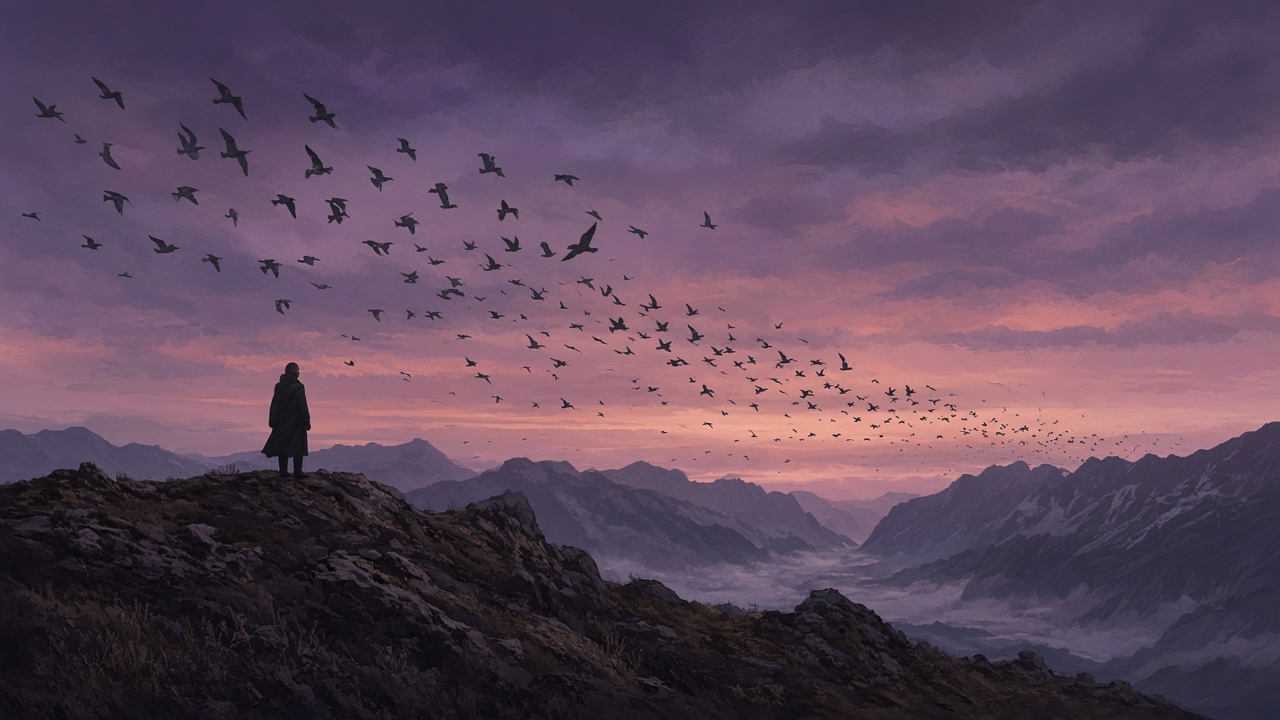
Flight shooting relies on a habit: many birds change places twice a day. At dusk, ducks leave the water where they spent the day to feed on marshes, flooded meadows or crops, and come back at first light. Geese often do the opposite, roosting on water overnight and flighting out to the fields in the morning. Wood pigeons head back into woodland in the evening to roost.
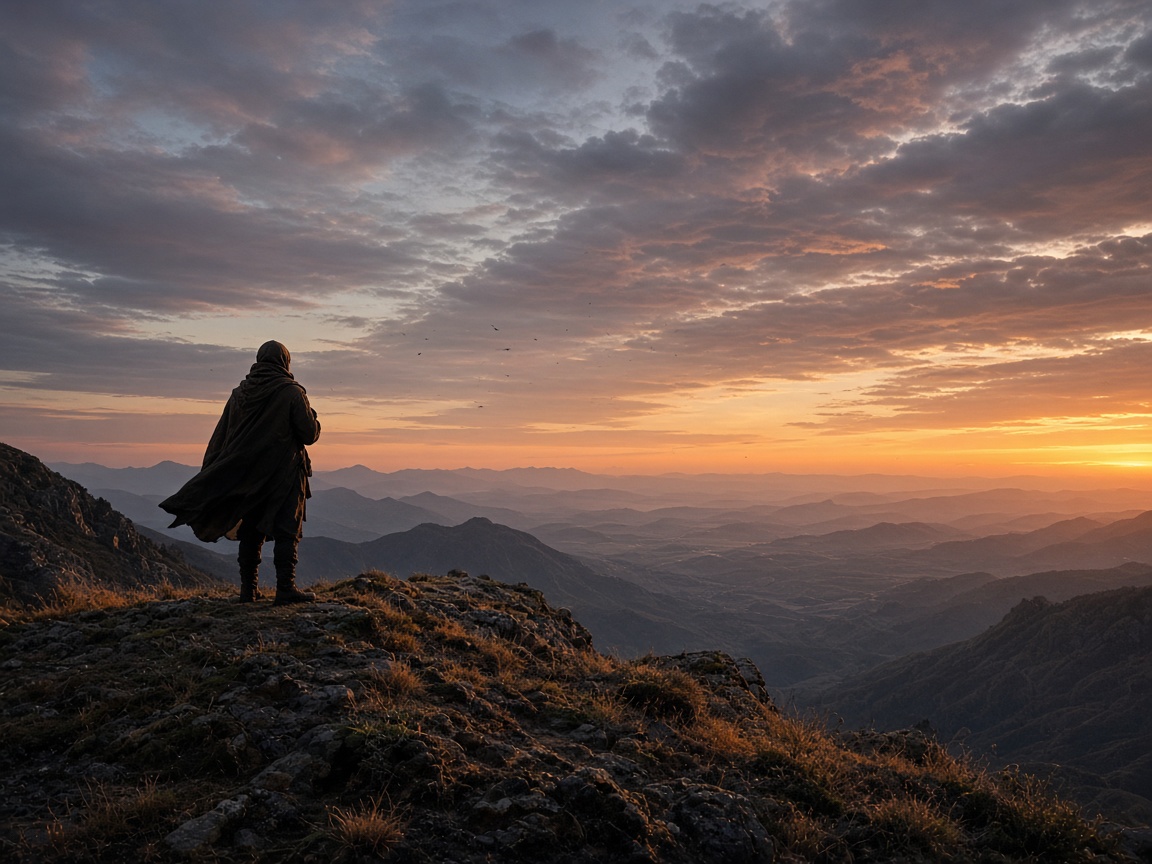
Everything hinges on watching beforehand. You need to know where the birds roost, where their feeding ground is and which route they take between the two. That route shifts with the wind, shooting pressure and the state of the crops: in a strong wind birds fly lower and drift. The position is chosen under the line, slightly to one side, with a dark background behind you.
The flight is short, and permitted shooting times around sunrise and sunset are set by each country’s rules. Woodcock, which also leave the woods at dusk to feed on meadows, are the exception: in France flighting woodcock is banned, and several Spanish autonomous communities rule it out as well.
How does flight shooting work in the field?
What equipment do you need for flight shooting?
- Dark clothing and a light camouflage net if the position lacks cover
- A head torch with a red light to reach and leave the position without drawing attention
- A low seat or stool so you can stay still under the line
- Non-lead cartridges suited to your gun, which the European Union requires in wetlands; the UK applies its own rules
Safety rules for flight shooting
- Agree safe shooting directions with neighbouring guns before the flight, as people are hard to see in the half-light
- Never shoot a low bird towards another gun, a road or a house
- Unload as soon as the flight ends, before moving to pick up birds
- Know the tides, channels and soft mud before you go out
Common mistakes in flight shooting
- Standing in the open, skylined directly under the line, where birds see you and flare away
- Shooting the same flightline every evening until the birds change their route
- Going to pick up a fallen bird before the flight is over and disturbing birds still coming in
- Shooting in poor light without being sure of the species
Which species are hunted by flight shooting?
Where is flight shooting practised?
France
In France, flight shooting (la passée) is mainly practised on waterfowl beside marshes, lakes and on the coast, and on wood pigeon over farmland. Permitted times around sunrise and sunset, and the species concerned, are set nationally; the OFB and the departmental hunting federation give the details.
Germany
Flight shooting is called Strich in German: birds are waited for along their morning or evening flightline. For geese, the German Hunting Association (DJV) advises hunting mainly in the morning, on the way to the fields where they cause damage, and holding off as they fly in to the waters where they roost.
Spain — Castilla y León
In Spain, caza al paso means waiting for birds on their route, whether ducks moving between resting and feeding areas or wood pigeons on migration through the Pyrenean passes, particularly in Navarre. Each autonomous community sets the rules; the regional federation can advise.
Rules vary by country and region: check with the local authority. See the sources
Flight shooting compared with neighbouring techniques
Flight shooting differs from hide hunting in having no installation and, usually, no decoys: you wait for birds on their route instead of bringing them down onto a pond. It differs from waterfowl hunting in general by its precise timing, dawn or dusk, and because it also covers pigeons. The palombière of south-west France also targets pigeons on the move, but during migration and with decoys that bring them in to land.
Key terms in flight shooting
- flight
- The dawn or dusk movement of birds between roosting and feeding areas, and shooting them as they pass.
- roost
- Where birds rest or spend the night: open water, woodland, an island or a high-tide roost.
- feeding area
- A place where game comes out to feed, such as grassland, crops, stubble, a clearing or mudflats.
- wildfowl
- Ducks, geese and other quarry birds of wetlands and coasts.
- palombière
- A hide in south-west France, often raised among trees, used to draw migrating wood pigeons with decoys.
- retriever
- A dog trained to find and bring back shot game to hand, on land or from water.
Frequently asked questions about flight shooting
What is flight shooting?
It is shooting from a fixed position as birds pass at dawn or dusk on their way between the place where they rest and the place where they feed.
What is the difference between morning and evening flight?
In the morning you wait for birds leaving their night quarters, such as geese heading out to the fields; in the evening, for birds heading to roost or to feed overnight, such as ducks, or pigeons returning to woodland.
What time does the flight start?
It follows the light: before sunrise in the morning, around sunset in the evening. Permitted shooting times are set by each country’s rules and should be checked locally.
Where should you stand for flight shooting?
Under the flightline you have identified, a little to one side, against a dark background that hides your outline. Wind matters: in a strong wind birds fly lower and their line shifts.
Can woodcock be shot on the evening flight?
Not in France, where national rules ban flighting woodcock. In Spain, several autonomous communities rule it out too; each community’s orden de vedas sets out the permitted methods.
Do you need decoys for flight shooting?
Not necessarily: flight shooting relies on the birds’ natural route. Some people add a few decoys to pull ducks in, but that brings it closer to decoying from a hide.
Flight shooting in pictures
Sources and references on flight shooting
- Office français de la biodiversité (OFB) — Chasse, permis de chasser et police de l’environnement (consulted on )
- Fédération nationale des chasseurs (FNC) — Chasseur de France : pratiques, sécurité et fédérations départementales (consulted on )
- Légifrance — Code de l’environnement, livre IV, titre II : chasse
- Légifrance — Arrêté du 1er août 1986 relatif à divers procédés de chasse (art. 7 aides électroniques, art. 8 procédés interdits et furet) (consulted on )
- EUR-Lex — Règlement (UE) 2021/57 sur le plomb dans les munitions en zones humides (consulted on )
- Real Federación Española de Caza (RFEC) — Modalidades, licencias y federaciones autonómicas (consulted on )
- Boletín Oficial del Estado (BOE) — Legislación estatal y autonómica de caza (consulted on )
- BASC — Wildfowling (consulted on )
- Game & Wildlife Conservation Trust (GWCT) — Game and wildlife research (consulted on )
- Deutscher Jagdverband (DJV) — Mit Sinn und Verstand : principes de chasse des oies sauvages (PDF) (consulted on )
- Boletín Oficial del Estado (BOE) — Ley 4/2021, de 1 de julio, de Caza y de Gestión Sostenible de los Recursos Cinegéticos de Castilla y León (texto consolidado) : arts. 32-40, 50-51 y anexo III (modalidades) (consulted on )
- Légifrance — Code de l'environnement, article L424-4 : modes de chasse (à tir, à courre, à cor et à cri, au vol) et chasse du gibier d'eau à la passée (consulted on )
Practice information — not a legal authorisation.