A national and provincial framework
The National Environmental Management: Biodiversity Act (NEMBA, 2004) and its Threatened or Protected Species (TOPS) regulations fall under the Department of Forestry, Fisheries and the Environment (DFFE). Hunting permits are issued by the provinces, each with its own ordinances and authority: CapeNature in the Western Cape, Ezemvelo KZN Wildlife in KwaZulu-Natal, or the provincial environment departments in Limpopo and North West.
Game ranches
Since the Game Theft Act of 1991, a landowner can own the game on adequately fenced land certified by the province. This regime fuelled thousands of private ranches that breed, sell and offer hunting of game. It brought antelope back to former livestock land, but is criticised for intensifying some practices, such as breeding colour variants.
Hunted species
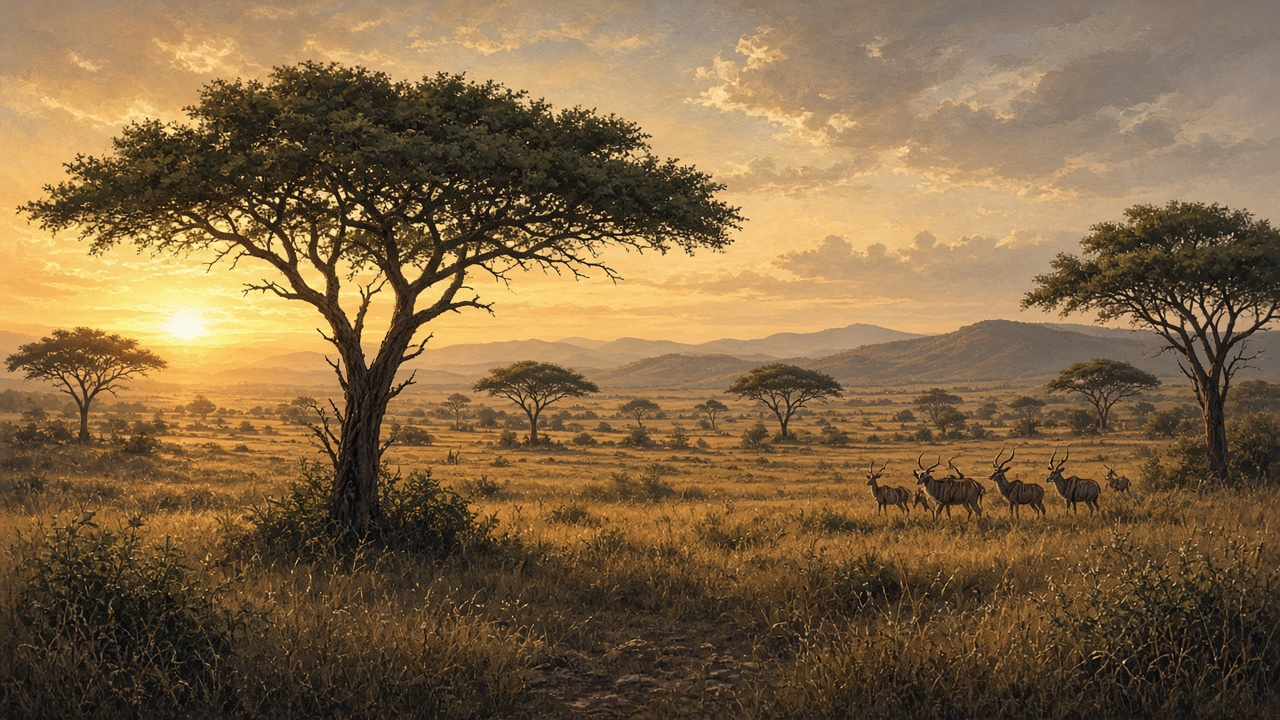
Most hunts target plains and savannah antelope: kudu, impala, blesbok, springbok, gemsbok, eland, wildebeest. TOPS-listed species such as rhino, leopard or elephant require additional permits and, for export, CITES documents.
Hunting as a visitor
A foreign hunter hunts with a professional hunter registered in the province, through a licensed outfitter. Firearms enter on a temporary import permit issued by the South African Police Service (SAPS), usually prepared with the outfitter. Trophy export goes through a taxidermist or shipper and, for listed species, a CITES permit.
The controversies
The fiercest concerns captive lion breeding and the hunting of lions bred in enclosures (canned hunting). In 2021, a government-appointed expert panel recommended ending captive lion breeding, and the ministry announced its intention to do so. Other debates concern how much hunting revenue actually reaches communities and conservation; in 2016 IUCN published a briefing setting out the arguments and the conditions for sustainable hunting.