Hunting landscapes
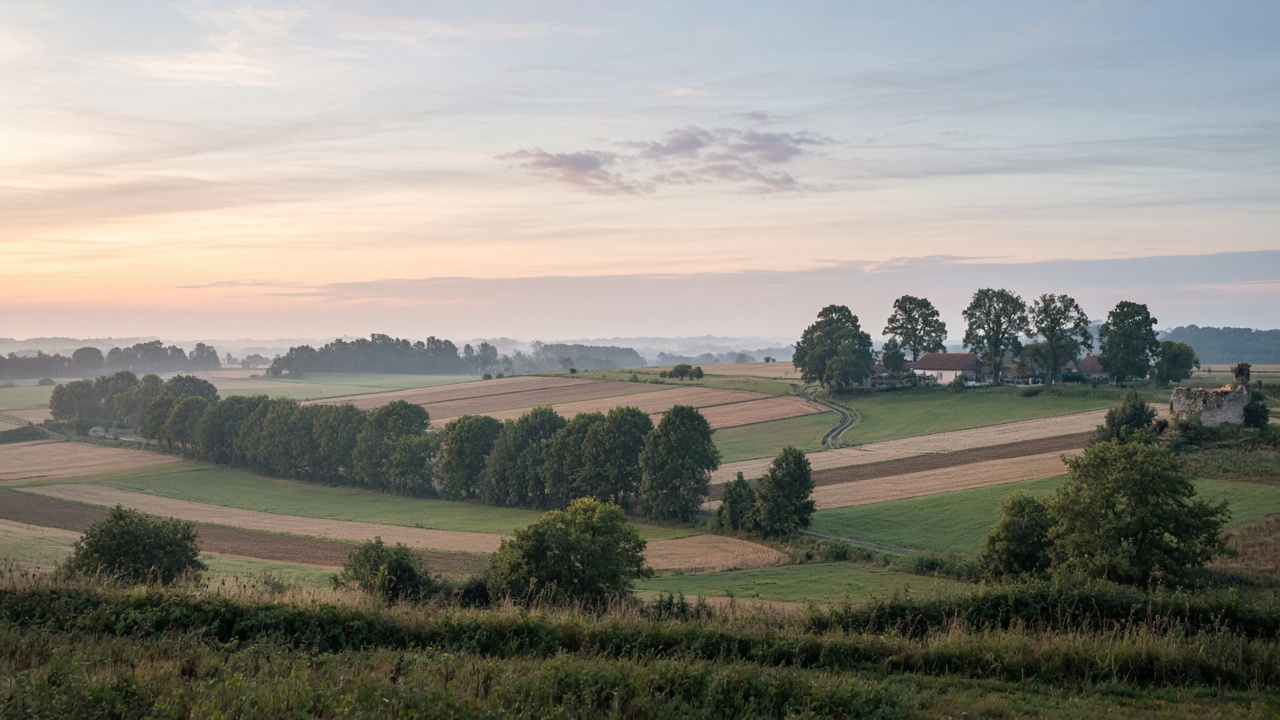
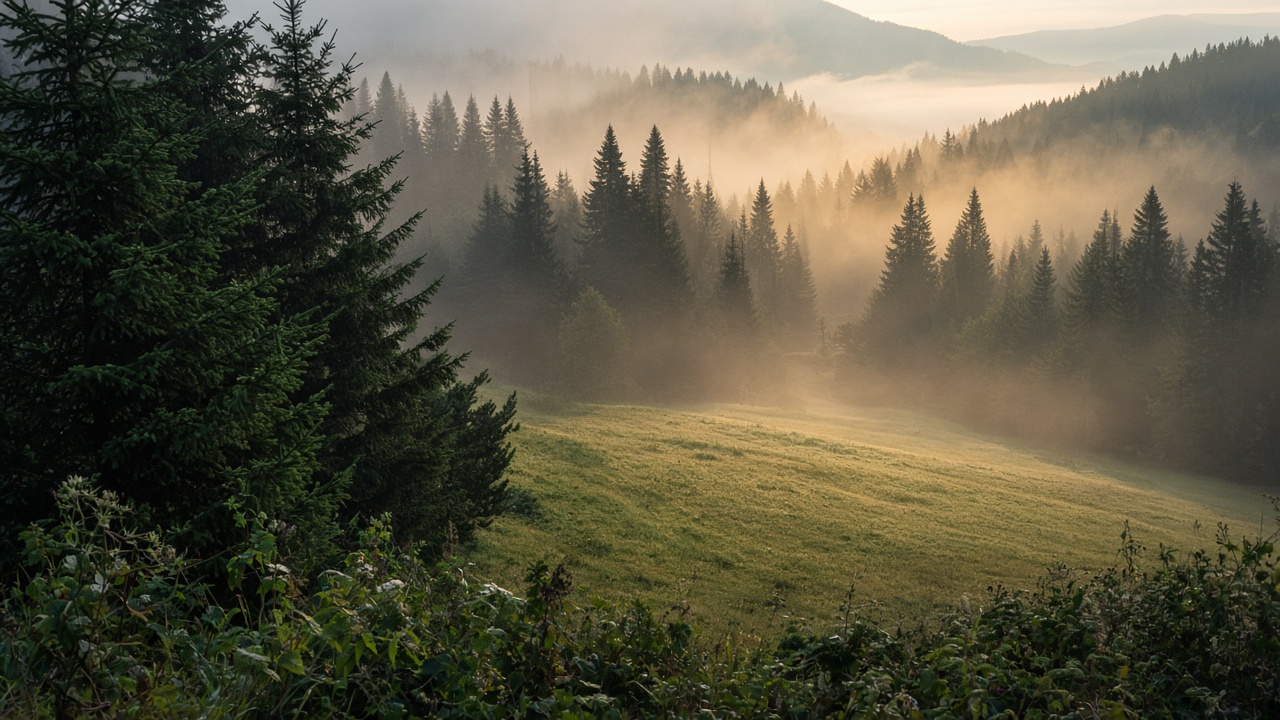
Two thirds of Austria is alpine, with large mountain forests, pastures and rock faces. In the east, the Danube, Burgenland and Lower Austria lowlands offer farmland suited to small game.
Key species
- Chamois (Rupicapra rupicapra)
- Roe deer (Capreolus capreolus)
- Red deer (Cervus elaphus)
Main hunting methods
- stalking (Pirsch)
- high-seat hunting (Ansitz)
Conservation issues
The reintroduced Alpine ibex and black grouse, hunted in some Länder, are closely monitored. The natural return of the wolf and the presence of lynx and brown bear fuel the coexistence debate.
A matter for the Länder
In Austria, hunting legislation is a matter for the nine Länder, each with its own act. By way of example, the Upper Austrian act of 2024 (Oö. Jagdgesetz 2024) groups the owners of at least 3,000 m² of farmland or forest in an area into a hunting cooperative, the Jagdgenossenschaft (§ 17), and prohibits hunting without a valid hunting card (Jagdkarte) or guest card (Jagdgastkarte) (§ 30). It recognises a hunting card from another Land subject to reciprocity, payment of the contribution to the Land hunters’ association and adequate insurance. The exact rules differ from one Land to another: check them with the hunting administration of the Land concerned.
Hunting cards and bags by Land
According to Statistik Austria, the country had 139,600 valid annual hunting cards in 2024/2025 (+1.6% year on year, +13.2% over ten years) and 11,500 guest cards issued (−14.8% year on year, +3.6% over ten years). Roe deer dominate the bag with 293,100 animals, but the distribution varies widely: Upper Austria (83,571) and Lower Austria (79,856) together account for more than half, while Vienna has only 469 (Statistik Austria, corrected report of 14 October 2025). The hunting year follows the calendar year in Burgenland, Carinthia, Lower Austria, Salzburg and Vienna, and runs from 1 April to 31 March in the other four Länder.