Aunerys
Hunting Fishing · soon
FR EN ES
Techniques · 3 min read

Hunting methods in Estonia: driven hunt, high-seat hunting and local practice

Driven hunt and high-seat hunting: the hunting methods practised in Estonia, how each one works in the field and the species it targets (moose, roe deer, wild boar).

Byline: Liis Tamm Published
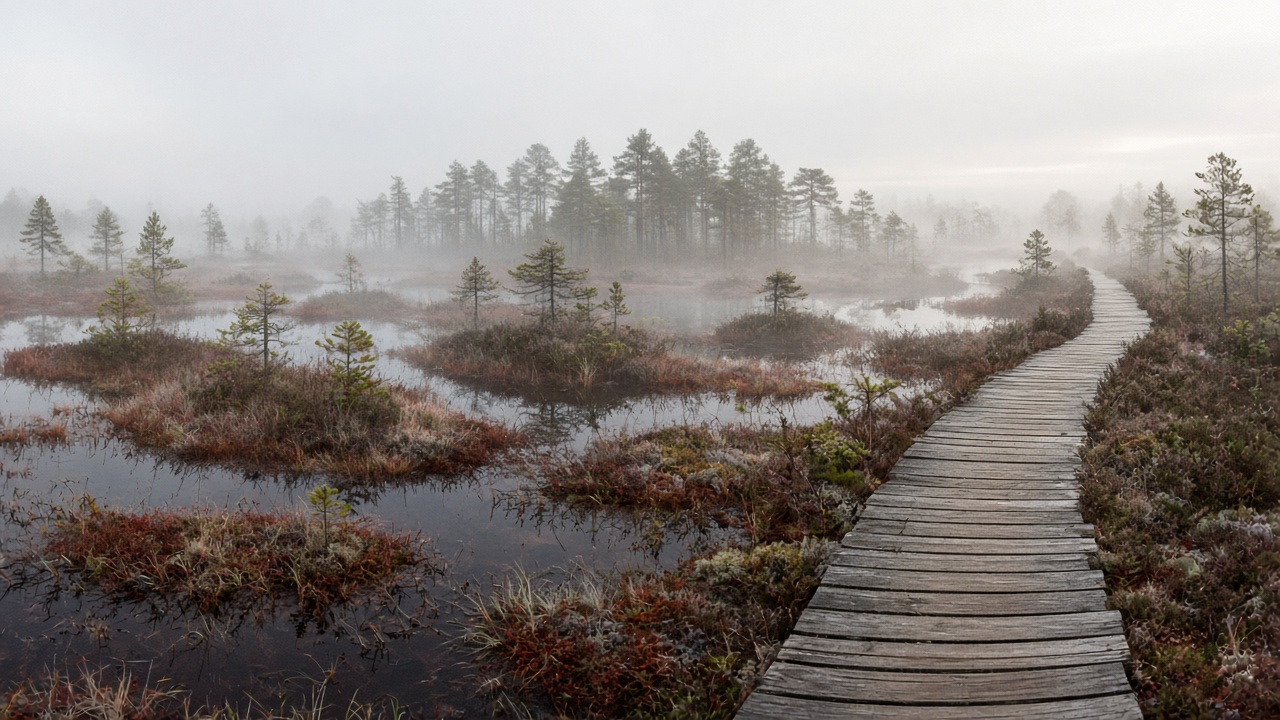
Natural landscape in Estonia — AI-generated illustration AI-generated illustration for Aunerys
Short answer

The main hunting methods are driven hunt (ajujaht), high-seat hunting (varitsusjaht). Key species include moose (Alces alces), roe deer (Capreolus capreolus), wild boar (Sus scrofa). Facts compiled on 4 November 2026.

Written by Liis Tamm Facts compiled on 4 November 2026 Updated
Country fact sheet
Reference authority Keskkonnaamet (Environmental Board)
Framework law Jahiseadus (Hunting Act, 2013)
Decision level national, with hunting districts assigned to clubs
Licence The hunter’s certificate (jahitunnistus) is obtained after training and a theory and shooting exam.
Facts compiled on 4 November 2026

Introduction

Hunting in Estonia follows well-identified methods, including driven hunt and high-seat hunting. The choice depends on the landscape (mixed forests, bogs and coastline) and on the species hunted: moose, roe deer, wild boar.

How hunting is practised

driven hunt — ajujaht

Driven hunts are the main method for moose and wild boar: drivers and dogs push game towards a line of standers. The hunt leader gives safety instructions before each drive.

high-seat hunting — varitsusjaht

High-seat hunting at field edges is used mostly for wild boar and roe deer, often at dusk. It allows selective shooting and careful identification.

Key species

Hunters from abroad

A foreign hunter hunts in Estonia with a recognised hunting document from their country and on invitation from a club holding a district. Firearms are declared with the European Firearms Pass for EU residents.

Hunting measures imposed by swine fever

In 2025 the Environmental Board ordered that all wild boar, including sows with young, be hunted within a 10 km strip along the state border (with Latvia and Russia) and within 10 km of pig farms across the country. The means cited include hunting from vehicles, night sights and drones, and trapping fences near farms or borders (ERR, September 2025). The state also bought 10 thermal-camera drones for hunters near outbreak sites and allowed hunting with dogs, normally banned in summer (ERR, August 2025).

Quotas, monitoring and penalties

The national quota for the 2025/2026 season is 19,800 wild boar, with a target of 3 animals per 1,000 hectares of hunting land by the end of the following season. Clubs that miss their quota risk fines, but the Environmental Board says it will assess shortfalls case by case and impose corrective measures only if limits are “deliberately” ignored: one club was required to shoot 86 wild boar and shot 7, another needed 98 and took 10 to 15. Hunters must also send their monthly wild boar hunting data to a hunting specialist in their county (Keskkonnaamet).

Exam, fee and certificates

The Estonian Hunters’ Association (Eesti Jahimeeste Selts) runs, under a contract with the ministry, the theory exam and the shooting tests, and issues the hunting and large-game shooting certificates. Every hunter, foreigners included, pays a hunting fee, €25 a year since 1 January 2025 (Ministry of Climate, November 2025).
Key figures

Frequently asked questions

Can a foreign hunter hunt in Estonia?

A foreign hunter hunts in Estonia with a recognised hunting document from their country and on invitation from a club holding a district.

Do you need a licence to hunt in Estonia?

The hunter’s certificate (jahitunnistus) is obtained after training and a theory and shooting exam. Each big game hunt takes place under a named authorisation (luba) issued within the district.

Destination Estonia — hunting and nature →

Conclusion

Driven hunt and high-seat hunting are not improvised in Estonia: permitted methods, safety rules and open species are set by Keskkonnaamet (Environmental Board) and by whoever holds the hunting rights.
Sources : Keskkonnaamet — office de l’environnement; Riigi Teataja — Jahiseadus
The author Liis Tamm Articles on wildlife and forest habitats in Estonia. Editorial byline of the Aunerys desk. It does not attest to a verified local expertise. View profile →

Read next

Boreal pine forest under northern light, Sweden — AI-generated illustration AI-generated illustration for Aunerys
Field guide · 2 min

Moose hunting in Sweden: teams, dogs and stalking

Natural landscape in Switzerland — AI-generated illustration AI-generated illustration for Aunerys
Field guide · 6 min

Hunting methods in Switzerland: licence hunting, leased grounds and local practice

Natural landscape in Australia — AI-generated illustration AI-generated illustration for Aunerys
Field guide · 2 min

Hunting methods in Australia: stalking, hounds and local practice