Hunting landscapes
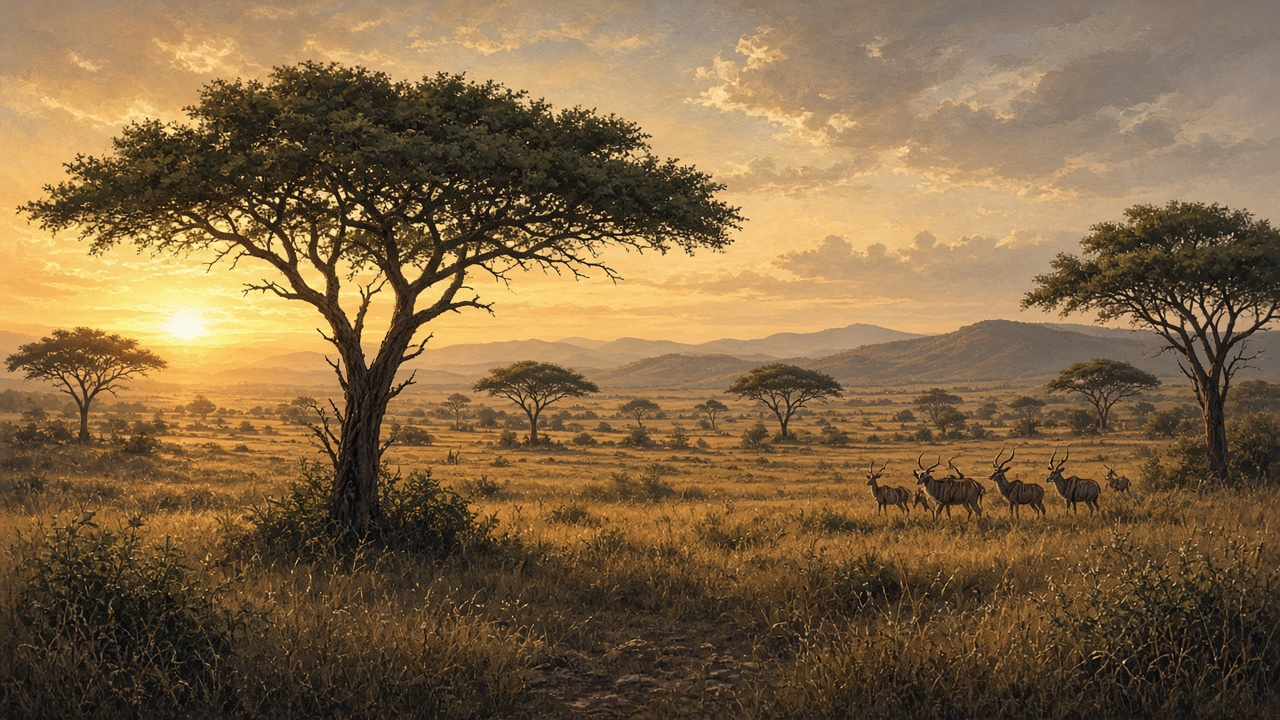
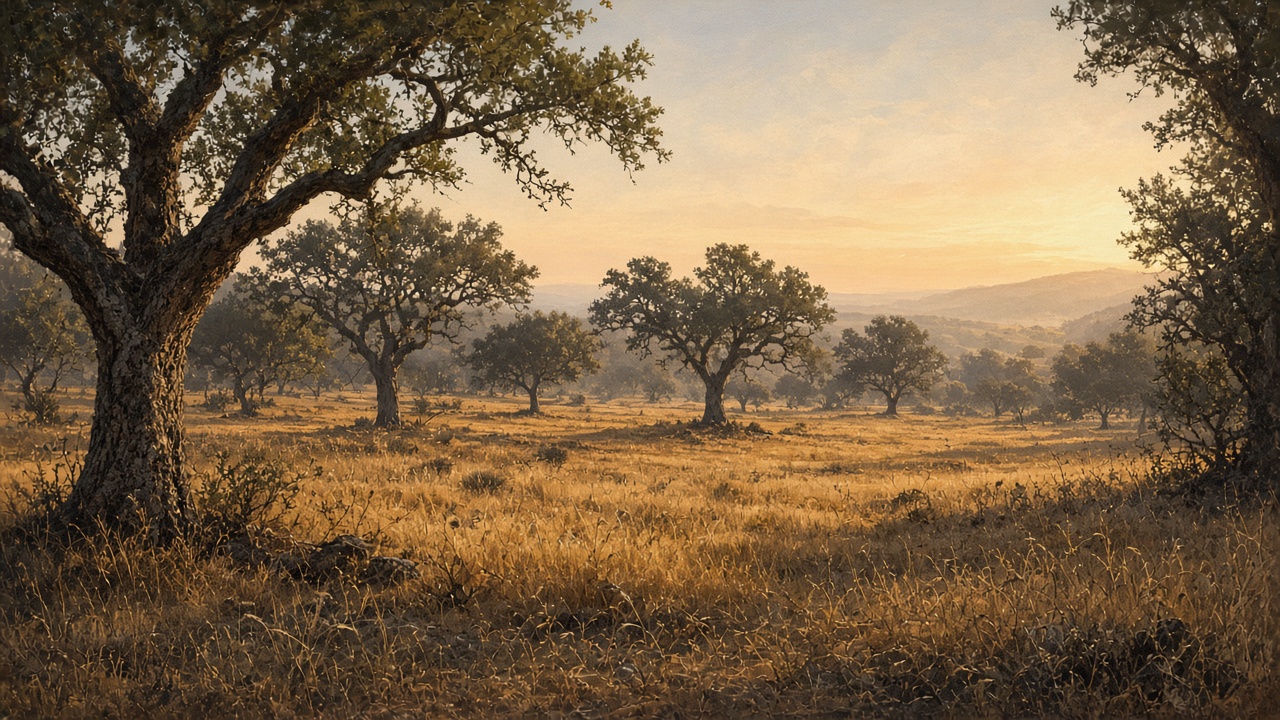
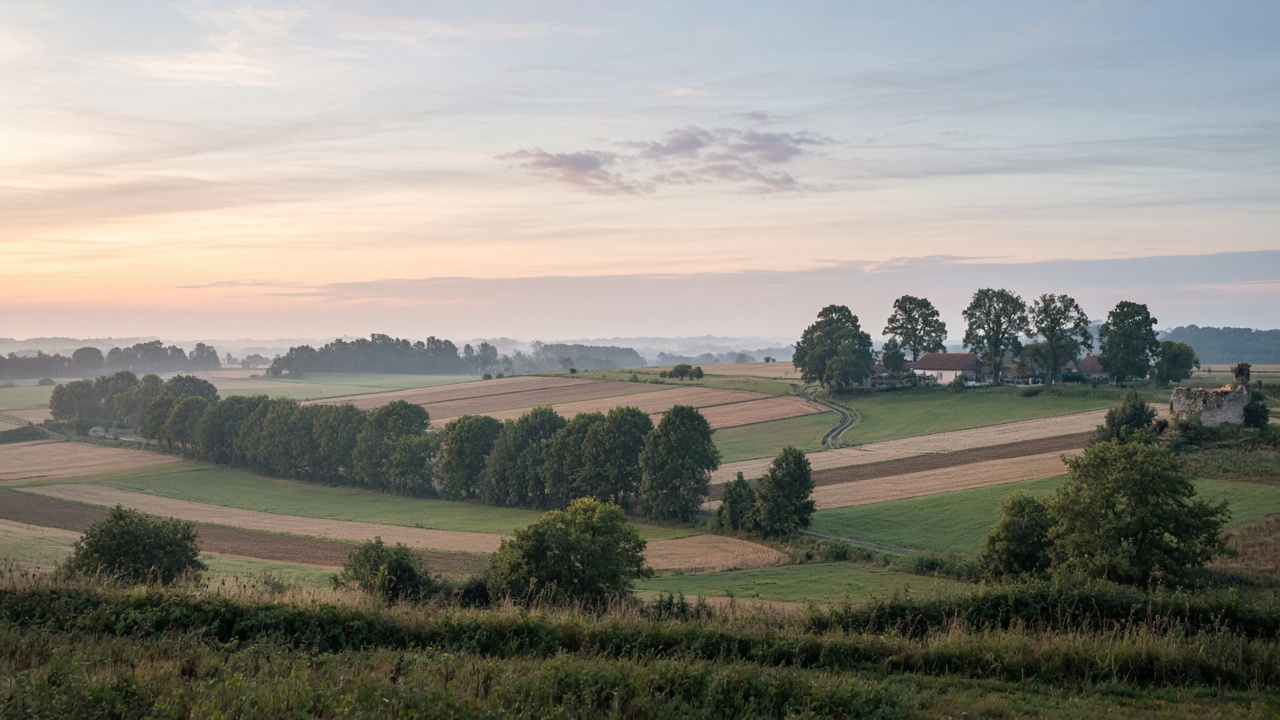
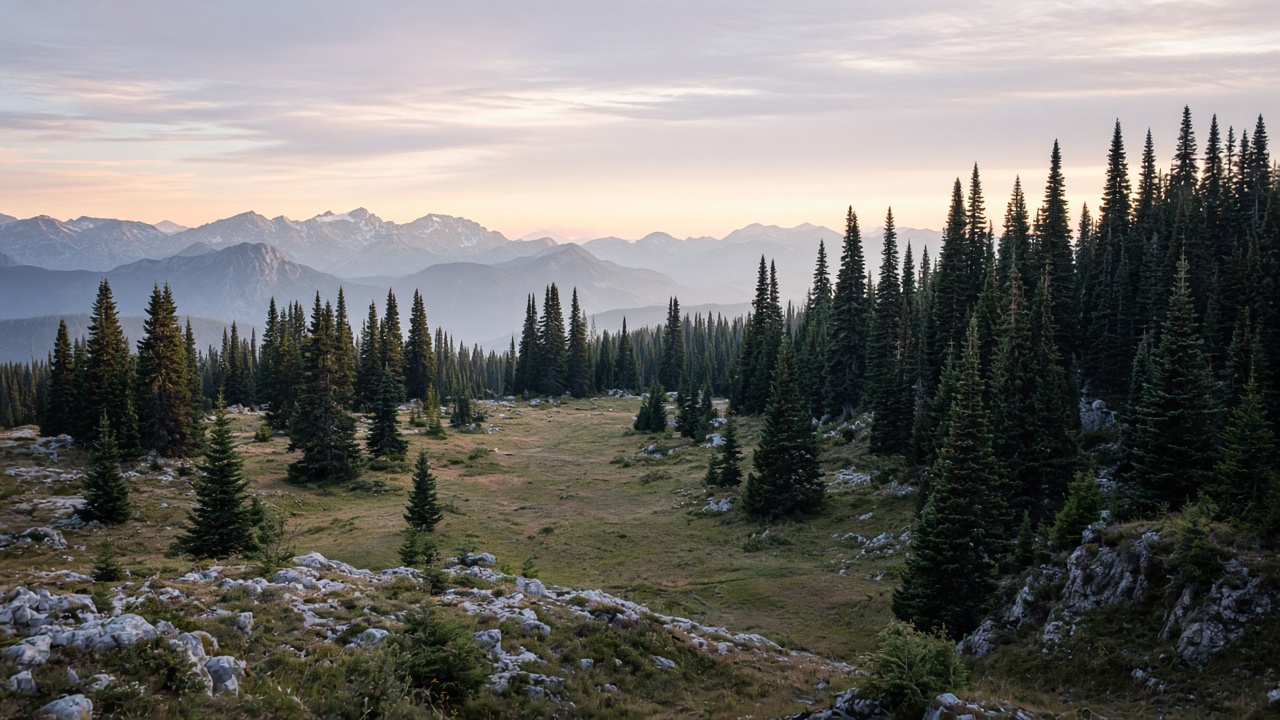
Greece combines Mediterranean maquis and garrigue, mountain forests of the Pindus and Rhodope, and large northern wetlands such as the Evros delta. Hunting there is mostly small game and migratory birds.
Key species
- Wild boar (Sus scrofa)
- Rock partridge (Alectoris graeca)
- Eurasian woodcock (Scolopax rusticola)
Main hunting methods
- hunting over pointing dogs (κυνήγι με σκύλο φέρμας)
- wild boar drive (ομαδική θήρα αγριόχοιρου)
Wildlife health
African swine fever outbreaks have been detected in northern Greece. Hunters must report wild boar found dead and respect any restriction zones.
Landscapes, damage and land use
Increasingly frequent large wildfires can lead to temporary hunting bans in burnt areas. Farmland abandonment closes the open habitats that favour small game.
Key figures
| Indicator | Value | Source and year |
|---|---|---|
| Share of national territory closed to hunting | about 13% | ΥΠΕΝ, parliamentary reply, 2022 season |
| Special Protection Areas (SPAs) | 202 | ΥΠΕΝ, 26 September 2022 |
| Wildlife refuges | 610 | geogreece.gr, declared 1998 to 2009 |
| Hunting federations and clubs | 7 federations, 255 clubs | KSE via FACE, 2016 |
| Huntable species | 32 birds and 5 mammals | KSE (Artemis I programme), 2016 |
| National European turtle dove quota | 120,000 (2022-2023), then 36,000 (2025-2026) | ΥΠΕΝ, 2022; Millet News, 2025 |
| Daily turtle dove bag | 12, then 6 (2021-2022), 4 in 2025-2026 | ΥΠΕΝ, 2022; Millet News, 2025 |
| Direct cost of Artemis I monitoring | €30,000 a year | KSE via FACE, 2016 |
Closed ground and open ground
In Greece the question of territory is first asked in reverse: where is hunting ruled out? In its reply of 26 September 2022 to a parliamentary question, the forest management directorate of the Ministry of Environment and Energy (ΥΠΕΝ) states that about 13% of the country is closed to hunting for the 2022 season, and lists 202 Special Protection Areas. The rest is not open house: a day out requires the licence, knowledge of local rules and respect for the forest services.
Wildlife refuges: a dense network
The country has 610 wildlife refuges (Καταφύγια Άγριας Ζωής), declared between 1998 and 2009 according to the geogreece.gr inventory, which describes them as now part of the Natura 2000 network. Hunting of any game is prohibited inside a refuge. The hunter knowledge test sheets published in the Government Gazette (ΦΕΚ, second part, pages 4193 to 4232) also cover the distances to keep around villages and isolated farms. For a visiting hunter the practical rule is simple: locate the refuge before the outing, not after.
Game monitored season after season
The Hellenic Hunters Confederation (KSE) brings together seven federations and 255 clubs. Since 1995 it has run the Artemis I programme: when licences are renewed, through the clubs, hunters hand in a questionnaire on their outings, with 13 variables per outing (species, birds flushed, bag, duration, group size). The monitoring covers 32 bird and 5 mammal species that may be hunted and costs €30,000 a year in direct costs, paid from licence fees. When the data show a decline, the KSE proposes that the ministry shorten the season or cut harvests. For the Eurasian woodcock, the ratio of birds harvested to birds seen is described as remarkably stable (FACE, 2016).
Turtle dove, hare, wild boar: three harvest regimes
The European turtle dove shows the tightening: the daily limit fell from 12 to 6 birds in 2021-2022, the national quota from 145,000 to 120,000 birds for 2022-2023 (ΥΠΕΝ, 2022), then to 36,000 for 2025-2026, with 4 birds a day and catches logged in the KSE app. By contrast, Environment Minister Stavros Papastavrou set ten species with no harvest limit for 2025-2026, including the European hare (season extended to 10 March 2026), wild boar and wood pigeon (Millet News, 2025).
Wild boar, a regulated exception to the zones
Against African swine fever, joint ministerial decision 147/21886 of 25 January 2021 (ΦΕΚ 313 B, 28 January 2021) allows wild boar removals outside the periods of the annual decision and outside designated hunting grounds, refuges included, with local approval of hunting groups. A circular from the ministries of Rural Development and Environment, dated 15 July 2022, returns to it. It is a regulated health measure, not a general opening of protected areas.