Hunting landscapes
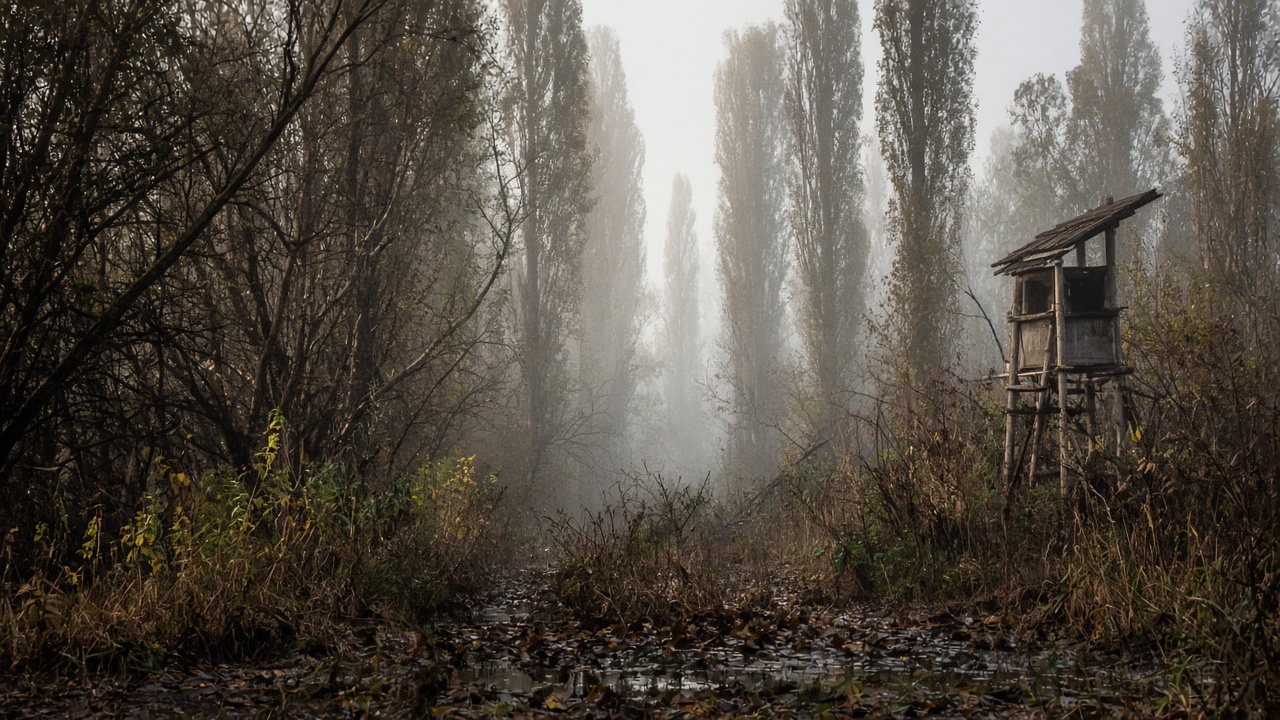
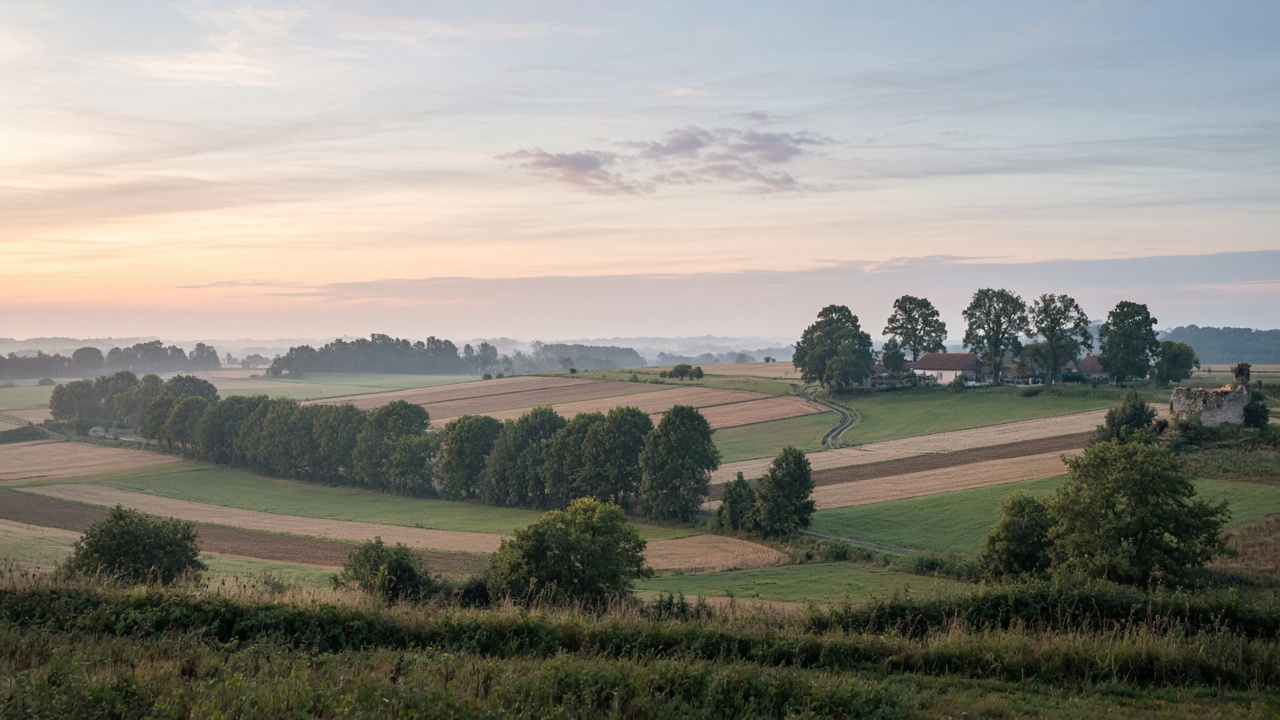
Southern Wallonia is covered by the Ardennes, a large forest massif where big game is concentrated. The Condroz and Famenne alternate woods and fields, while flat, densely populated Flanders is dominated by farmland.
Key species
- Red deer (Cervus elaphus)
- Wild boar (Sus scrofa)
- Roe deer (Capreolus capreolus)
Main hunting methods
- Ardennes drive (chasse en battue)
- still hunting and stalking (affût et approche)
Wildlife health
African swine fever was detected in wild boar in the south of Luxembourg province in September 2018. After a massive cull and fencing, Belgium regained disease-free status in 2020.
Becoming a hunter
Each region runs its own hunting exam and issues its own licence. Grounds must meet minimum areas, and big game in Wallonia is managed by shooting plans through hunting councils (conseils cynégétiques).
Wallonia: the Act of 28 February 1882
Hunting in Wallonia is still governed by the Act of 28 February 1882, in the version consolidated at 1 April 2026 (Wallex). Hunting on another person’s land without the owner’s consent is prohibited (art. 4). Shooting is prohibited on a single block of land of less than 25 hectares north and west of the Sambre-and-Meuse valley, and of less than 50 hectares south of it (art. 2 bis). Big game comprises red deer, roe deer, fallow deer, mouflon and wild boar; small game includes hare, pheasant, grey partridge and woodcock (art. 1 bis). On State and Regional domains, hunting is exercised only under a public tender (art. 13).
The government sets opening dates for five years and may change them for a single year (art. 1 ter); it may require an approved shooting plan for certain species (art. 1 quater). The licence is issued for an annual tax of €223.10 according to the consolidated text, and the grant may be made subject to an exam. A holder may obtain, for a guest not domiciled in Wallonia, a licence valid for five consecutive days for €37.18 (art. 14).
Flanders: exams, jachtverlof and hunting plans
In Flanders, applicants must pass a theoretical exam (from age 17, 60 multiple-choice questions) and a practical exam, organised every year by the Agentschap voor Natuur en Bos (ANB); they can also be taken in Wallonia, Luxembourg, France, the Netherlands or Austria. The jachtverlof is valid for one season; the jachtvergunning, valid for five days, lets you invite someone without a Flemish jachtverlof (Flemish Region portal). Night shooting is allowed there only for wild boar, on plots covered by a hunting plan.
In July 2025, an advisory opinion by the Council of State’s auditor found that the ANB cannot file hunting plans for its own land, because article 11 of the Hunting Decree requires hunting rights to be awarded under the principles of competition and transparency. Only West Flanders had rejected these plans; the other four provinces had approved them. The ANB disputes this and says no final ruling exists (VRT, July 2025).