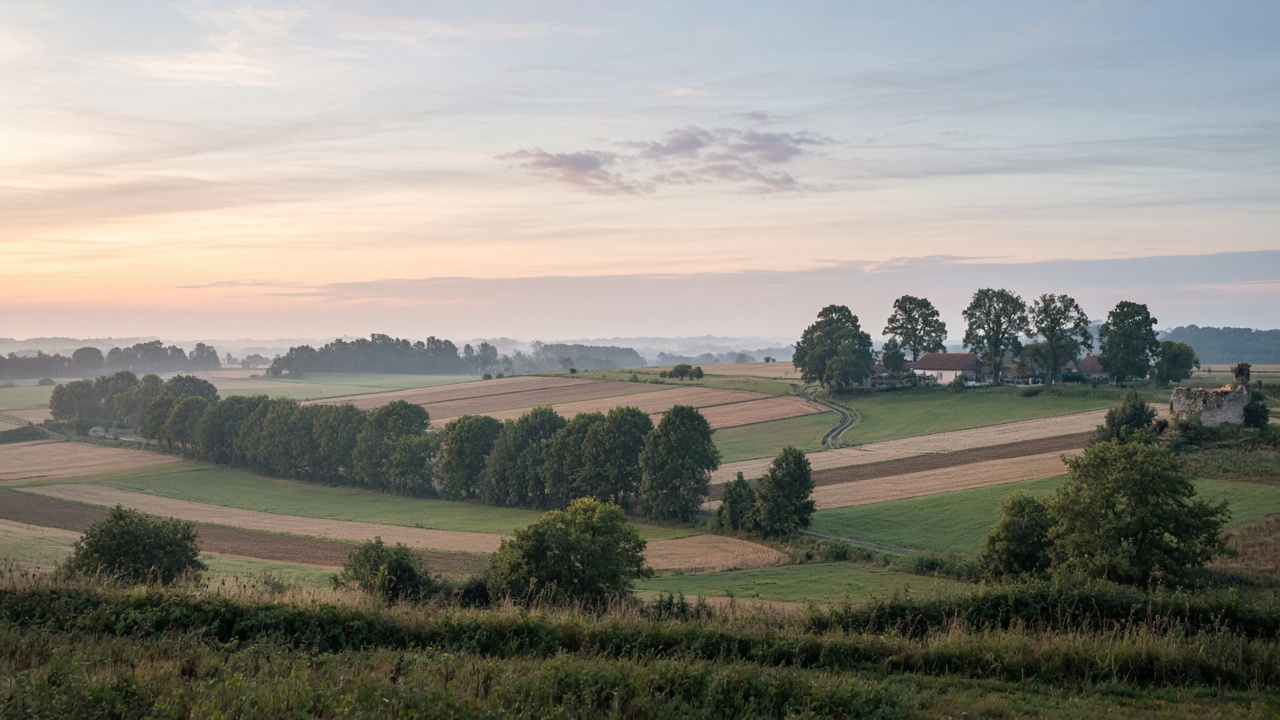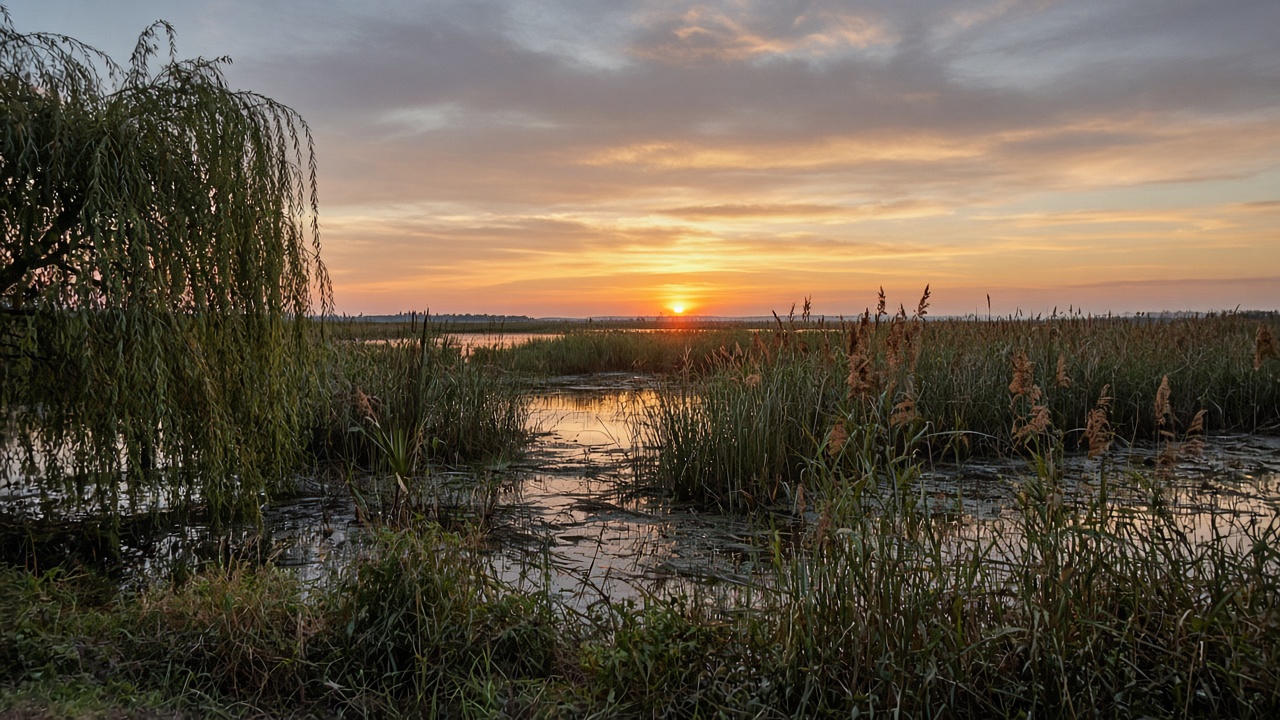
Hunting landscapes
Hungary combines floodplain forests along the Danube and Drava (such as Gemenc), the wooded hills of Transdanubia (Zala, Somogy) and the farmland of the Great Plain. The whole country is divided into game management units (vadgazdálkodási egységek).
Key species
- Red deer (Cervus elaphus)
- Fallow deer (Dama dama)
- Wild boar (Sus scrofa)
Main hunting methods
- stalking (cserkelés)
- driven hunt (hajtóvadászat)
Wildlife health
African swine fever has been present in Hungarian wild boar since 2018, mainly in the north-east. Infected zones impose carcass handling and surveillance rules.
Who holds the hunting right?
In Hungary the hunting right goes with ownership of the land: it belongs to the owner of the ground that forms a hunting area (Act LV of 1996, section 3, text in force on 1 March 2026). A single owner holds an independent right (önálló vadászati jog); several owners pooling their land hold an associated right (társult vadászati jog) (section 4). A hunting area (vadászterület) must reach 3,000 hectares, with opposite boundaries at least 3,000 metres apart (section 8). The authority may accept up to 500 hectares less if proper hunting is still possible (section 19), and an area cannot straddle the boundary of a regional game management unit, the vadgazdálkodási tájegység (section 8).
Leasing a hunting area or hunting as a guest
Hunting rights are often leased, under the farm-lease rules with the exceptions set by the Act (section 15). Subleasing is banned, but inviting a hunter (vendégvadászat) and paid hunting (bérvadászat) do not count as subleasing. The lessee can be a hunting association (vadásztársaság) whose members hold a vadászjegy, or certain companies and institutions that meet land-use conditions (section 16). The lessee pays 90% of the rent before 1 December preceding the hunting year and the balance before 30 April; the contract goes to the hunting authority within 60 days and cannot run beyond 28 February 2037 (sections 15, 17 and 18).
Management plans and management units
Each right holder hunts under a game management plan (vadgazdálkodási üzemterv) tied to the regional plan, valid until 28 February 2037; managing or hunting outside the approved plan is prohibited (sections 42 and 44). The annual plan is due before 15 February (section 47) and the authority reviews plans at least every seven years (section 45). On the statistics side, the Ministry of Agriculture’s 2025 communication relies on 1,449 management units (vadgazdálkodási egység) for the 2024 population estimate; 1,446 of them (99.8%) reported their 2024/2025 season harvest.
Licences: resident hunters and foreign hunters
The Hungarian hunting licence (vadászjegy) is issued by the Hunting Chamber (Vadászkamara), is valid nationwide and must be validated each hunting year. It requires permanent residence or Hungarian citizenship, the hunting exam and valid hunting liability insurance; from age 16, a police certificate showing that the person may lawfully use a firearm is also required (sections 60 and 61). The exam follows an authorised course and covers hunting law and management, nature conservation and shooting (section 66). A person aged 18 or over who cannot obtain a vadászjegy may apply for a hunting permit (vadászati engedély) on proof of a lease or an invitation, of the firearm authorisations required by their home country, and of insurance issued by an insurer in the European Economic Area; it covers the whole country and lasts up to one year (sections 62 and 63). In our reading, this is the route intended for a non-resident hunter.
Game damage and penalties
The right holder compensates game damage, but only the part above 10% of the crop’s natural self-sustaining value (section 75). If the red or fallow deer cull targets are missed, the holder may bear the full damage the following year; the claim must be made in writing within 5 days (sections 75 and 81). Hunting in vineyards and orchards is prohibited from 1 July until the end of the harvest, unless an agreed control hunt takes place (section 56). Fines run from HUF 50,000 to 1,000,000 (reporting, trophies, dog care) and from HUF 100,000 to 5,000,000 (unauthorised hunters, breaches of hunting order) (section 83).
| Indicator | Value | Source |
|---|---|---|
| Management units reporting (2024/2025 season) | 1,446 of 1,449 (99.8%) | Ministry of Agriculture, statistical communication 2025 |
| Minimum size of a hunting area | 3,000 ha, opposite boundaries 3,000 m apart | Act LV of 1996, section 8 |
| Latest end date for leases and regional plans | 28 February 2037 | Act LV of 1996, sections 17 and 42 |
| Sport hunters (2023) | about 68,000, a record | KSH, infographic 2024 |
| Professional hunters (2023) | nearly 3,000 | KSH, infographic 2024 |
| Sector revenue (2024/2025) | HUF 40.6 billion (39.6 the previous season) | Ministry of Agriculture, 2025 |
| Game damage to crops (2024/2025) | HUF 2.6 billion (+3.1%) | Ministry of Agriculture, 2025 |
| Forest game damage (2024/2025) | HUF 57.6 million (−42.6%) | Ministry of Agriculture, 2025 |