Conservation issues
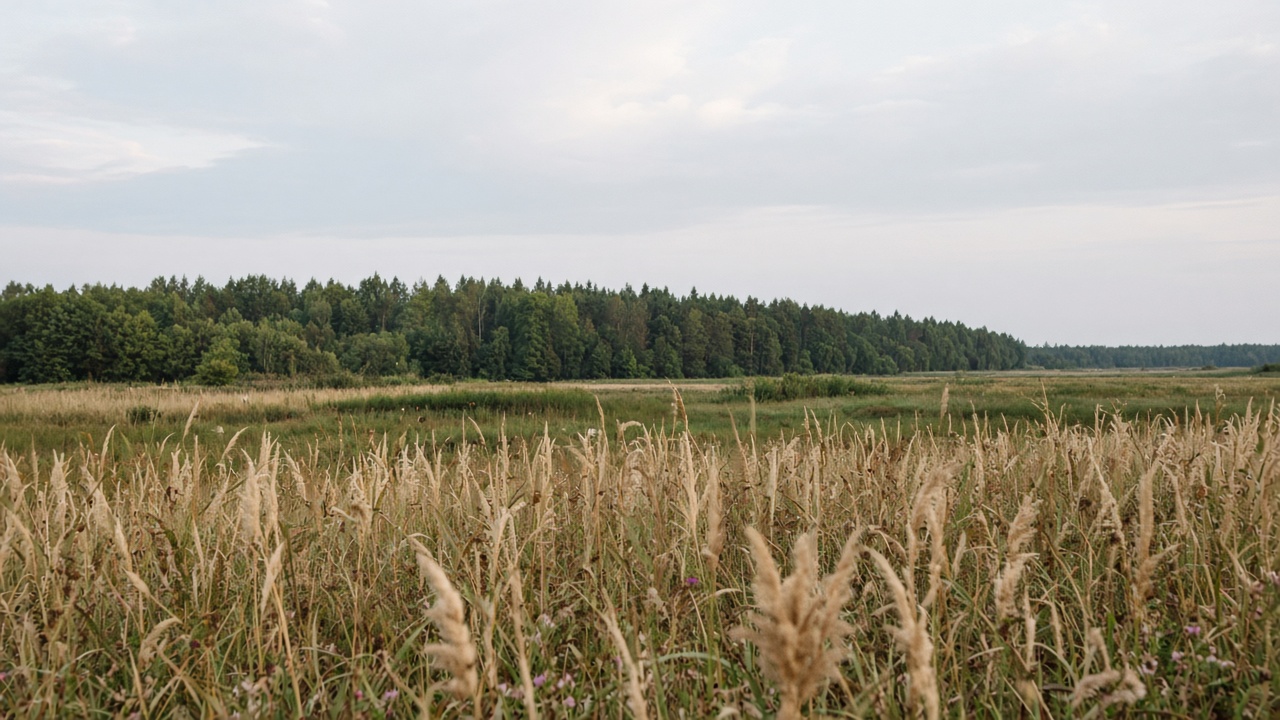
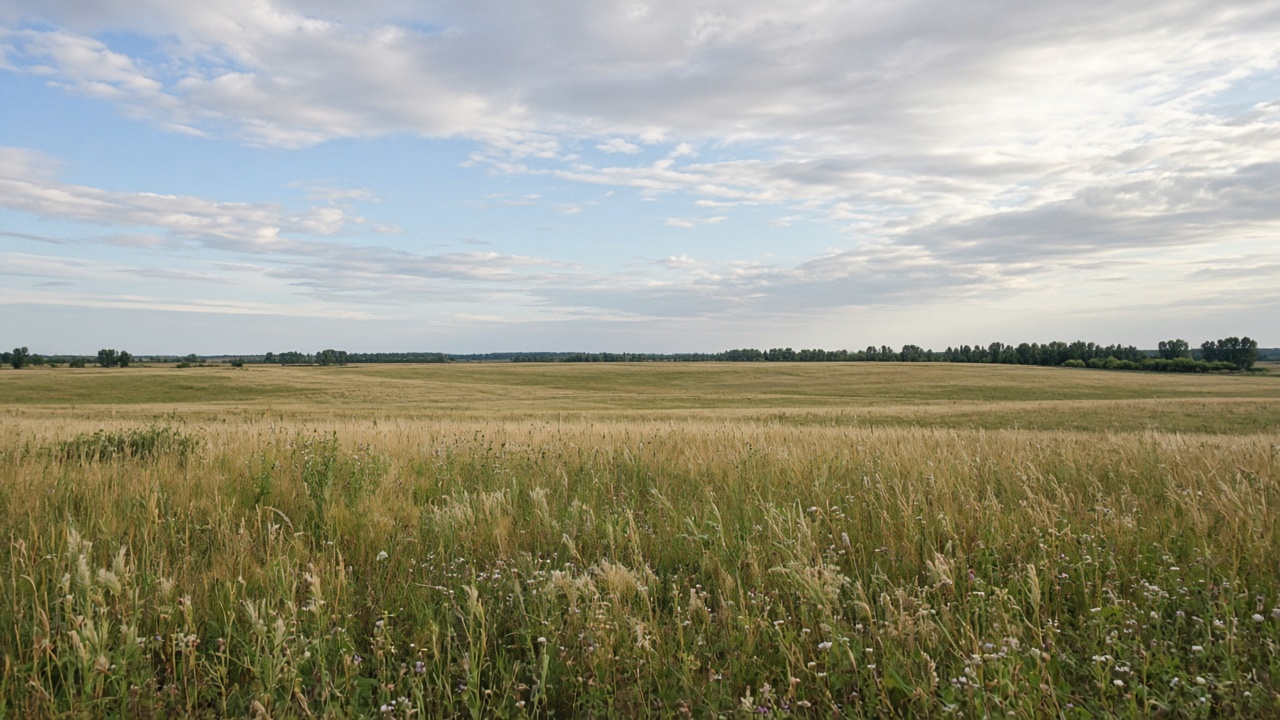
Hortobágy National Park and the Great Plain steppes hold the strictly protected great bustard and major crane stopovers. The golden jackal, spreading fast, has become a game species.
Key species
- Red deer (Cervus elaphus)
- Fallow deer (Dama dama)
- Wild boar (Sus scrofa)
Landscapes, damage and land use
Game damage to crops and forests is compensated by hunting managers, which weighs on harvest plans. Recent droughts have reduced water resources on the Great Plain.
Hungarian game in figures: what the KSH and the national database publish
The Hungarian Central Statistical Office (KSH, STADAT table updated 9 September 2026) relays the National Game Management Database (Országos Vadgazdálkodási Adattár), run by the Hungarian University of Agriculture and Life Sciences (MATE). Stocks are counted each February. Red deer go from 127,700 head in 2024 to 120,000 in 2025, then 123,600 in 2026; roe deer from 363,700 to 344,300, then 358,600; wild boar from 48,000 to 43,200, then 44,600. Fallow deer rise steadily: 47,700, 47,900, then 52,900. Hares climb from 536,600 (2024) to 631,300 (2026), while partridges fall to 6,700 head in 2025, against 50,500 in 1990.
Harvest: red deer, fallow deer and boar up, roe deer down
For 2025 the same table gives 96,400 red deer taken (85,300 in 2024), 30,800 fallow deer (24,600), 150,600 wild boar (118,200) and 92,200 roe deer (95,700 in 2024), plus 406,000 pheasants (402,000 in 2024). The 2025 boar harvest is about 3.5 times the February 2025 stock: February counts should therefore not be read as a total population, and orders of magnitude need careful comparison.
Red deer: estimates that diverge
An article by the news site Telex (23 April 2026, secondary source) reports that the Hungarian Hunting Chamber cites about 120,000 red deer for the 2024–2025 season in the national database, while noting that the real figure may be higher. Researcher Ferenc Jánoska puts it at about 250,000 animals, nearly double, whereas an agriculture ministry decree sets 71,400 as the sustainable level. According to the same article, 2024 game damage is about HUF 2.7 billion (2.6 billion agricultural, 58 million forestry), and nearly 70% is concentrated in five Transdanubian counties: Zala, Somogy, Baranya, Vas and Veszprém. These are contested estimates: a press article does not replace the official database.
Game economy and animal-health vigilance
According to the Ministry of Agriculture, quoted by the MTI agency via Trademagazin (secondary source), 13,000 tonnes of game meat were sold or consumed in 2024/25 (12,200 t big game, about 800 t small game); about 10,000 tonnes are exported, mainly to Germany, Austria and Italy, and game meat accounts for HUF 8 billion of the sector’s HUF 40 billion.
On the health side, African swine fever has been reported in Hungarian wild boar since April 2018 (WOAH). The UK DEFRA assessment of 9 June 2026 (official foreign source) describes an outbreak on a pig farm in Szabolcs-Szatmár-Bereg county: 3,166 pigs, about 1 km from the Romanian border, in restriction zone II, source unknown. The situation changes: the Hungarian authority (Nébih) remains the reference before moving trophies or venison.