Hunting landscapes
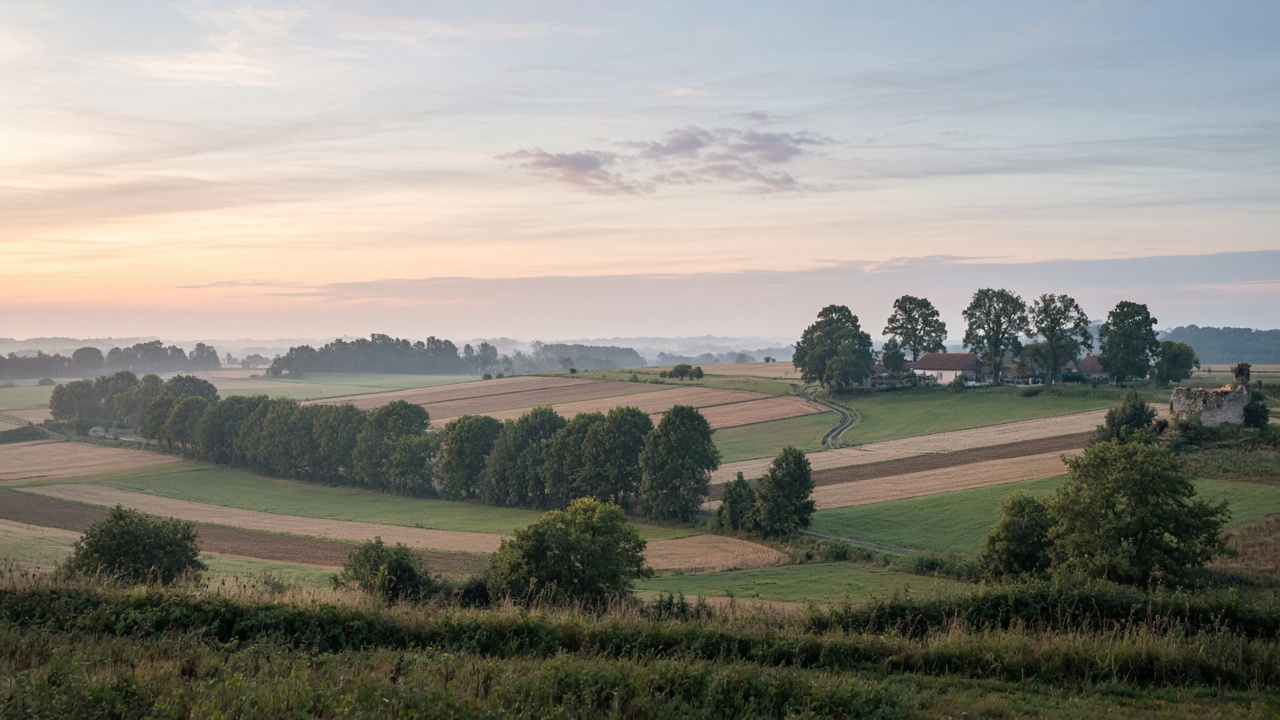
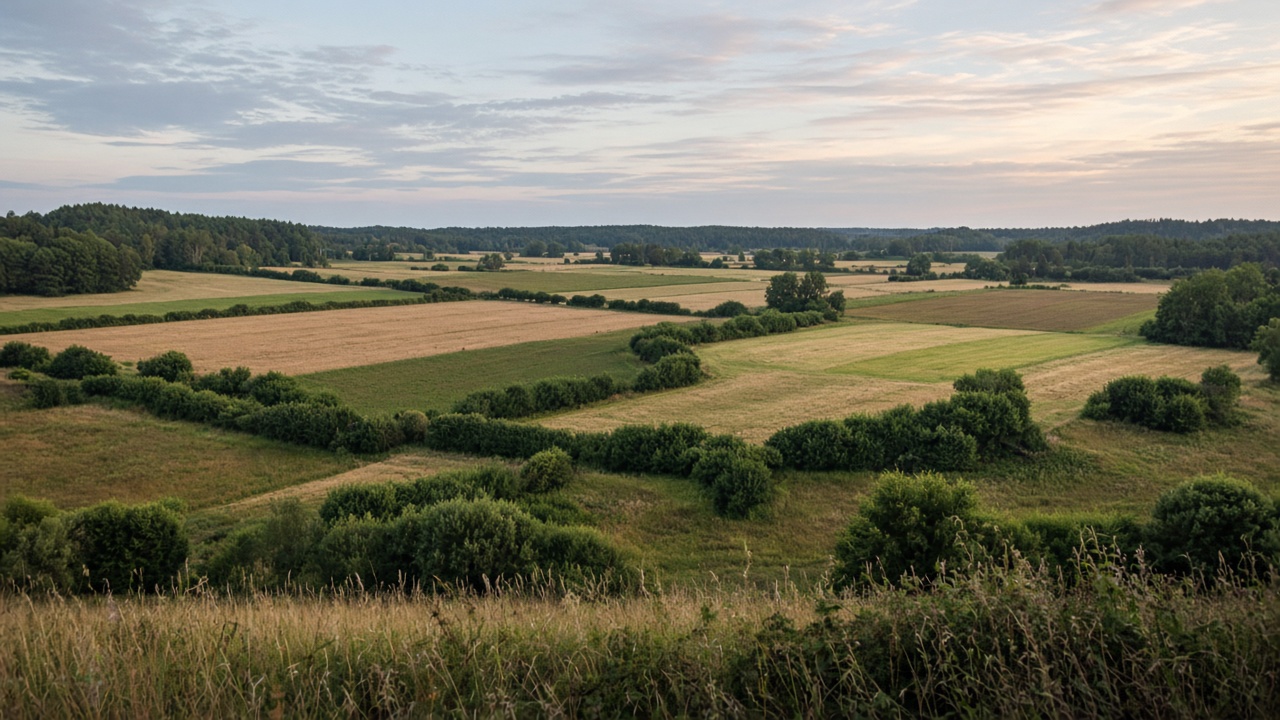
About half of Latvia is forested, with mires, river valleys such as the Gauja and farmland in Zemgale. Hunting takes place on registered grounds leased by clubs from landowners or the state forest company.
Key species
- Red deer (Cervus elaphus)
- Moose (Alces alces)
- Eurasian beaver (Castor fiber)
Main hunting methods
- drive with beaters and dogs (dzinējmedības)
- high-seat hunting (tornis)
Wildlife health
African swine fever has been present in Latvian wild boar since 2014. Biosecurity rules require hunted and dead boar to be reported and tested.
Landscapes, damage and land use
Damage by deer and beavers to forests, the main rural economic resource, is the core management argument. Wild boar also damage cereal crops in the south.
Registered hunting districts and leases
Hunting in Latvia does not take place on open ground: it requires a registered hunting district (medību iecirknis). Under the Hunting Law, in its consolidated text reflecting amendments in force since 29 June 2023, a district registered by a single holder of hunting rights covers at least 1,000 hectares; neighbouring owners bound by a joint contract may go down to 350 hectares. Species thresholds apply on top: at least 350 hectares for roe deer and wild boar, 1,000 for red deer hinds and calves, 2,000 for red deer stags and 2,500 for moose.
The landowner or lawful possessor may hunt in person or transfer the right to someone else by contract. In state forests, the public company Latvijas valsts meži (LVM) leases the right: in December 2024 it reported 936 lease contracts covering about 1.61 million hectares, and announced that leases would be concluded for five years from 1 January 2025. For a hunter coming from abroad, the first step is therefore to identify who holds the hunting rights on the district concerned before booking anything.
Game: the 2025/26 season bag
The State Forest Service (Valsts meža dienests, VMD) publishes a bag report by species each season. As of 31 March 2026, the 2025/26 season stood at 30,384 red deer (85.8% of the cull plan), 4,146 moose (78.6% of the plan), 24,502 wild boar, 19,871 roe deer and 16,108 beavers; the last three species are not subject to a limited plan. The hunting season runs from 1 April to 31 March, and 18,800 season cards were issued for 2025/26. Periods differ by species: moose are hunted from 1 September to 31 December in the 2024/25 season described by the VMD, and the 2025/26 driven hunts ended on 15 February 2026, while shooting of wild boar, red deer calves and young stags continued until 31 March.
Red deer and moose: opposite trends
VMD series show diverging trends. The red deer bag rises from 20,524 animals in 2020/21 to 29,379 in 2024/25, then 30,384 in 2025/26. The moose bag falls from 7,163 to 4,522 over the same period, then 4,146 in 2025/26; the VMD put the population at about 18,000 moose at the start of the 2024/25 season and noted that bulls made up 66% of adults shot, whereas the recommendation is at least 50% females. A cooperation memorandum on wild animal management, published by the Ministry of Agriculture and dated 18 June 2025, sets a target of 35,000 red deer in the country after five seasons and a maximum density of 20 animals per 1,000 hectares of forest in hunting districts. Wild boar remains closely monitored because of African swine fever: the bag went from 19,262 in 2020/21 to 30,153 in 2023/24, then 22,284 in 2024/25 and 24,502 in 2025/26.
Foreign hunters: what the law provides
The hunter’s certificate is issued by the VMD after an exam; it is required for the hunting permit, the season card and the authorisation to buy a hunting firearm. For species with a limited plan, both a hunting permit and the season card are needed; for the others, the card is enough. A foreigner must present a foreign document proving the right to hunt and obtain an authorisation from the VMD. The consolidated text consulted does not mention a minimum age: check with the VMD before booking.
| Indicator | Value | Source and date |
|---|---|---|
| Season cards issued | 18,800 in 2025/26 | VMD, 1 April 2026 |
| Red deer bag | 30,384 (85.8% of plan) in 2025/26; 29,379 in 2024/25 | VMD, 1 April 2026 |
| Moose bag | 4,146 (78.6% of plan) in 2025/26; 4,522 in 2024/25 | VMD, 1 April 2026 |
| Wild boar bag | 24,502 in 2025/26; 22,284 in 2024/25 | VMD, 1 April 2026 |
| Roe deer and beaver bag | 19,871 roe deer and 16,108 beavers in 2025/26 | VMD, 1 April 2026 |
| Hunting leases in public forest | 936 contracts, about 1.61 million hectares, five-year leases from 1 January 2025 | LVM, 11 December 2024 |
| Minimum district area | 1,000 ha (single holder); 350 ha (joint contract) | Medību likums, consolidated text of 29 June 2023 |
| Red deer target | 35,000 animals after five seasons; at most 20 per 1,000 ha of forest | Ministry of Agriculture, memorandum of 18 June 2025 |